Lake Manyara National Park is among the most diversified in game parks in Tanzania and it covers a small area of about 325 square kilometers comprised of an integration of steep mountainside, Rift Valley Lake plus dense woodlands. This national park was set up particularly to conserve elephants, an after the release of a book ‘among the elephants’ written by Douglas Hamilton a well known researcher, the park became internationally popular. The severe poaching during the 1970’s and 80’s greatly reduced the large herds, however they are currently increasing in numbers and going back to the huge numbers they used to be the past.
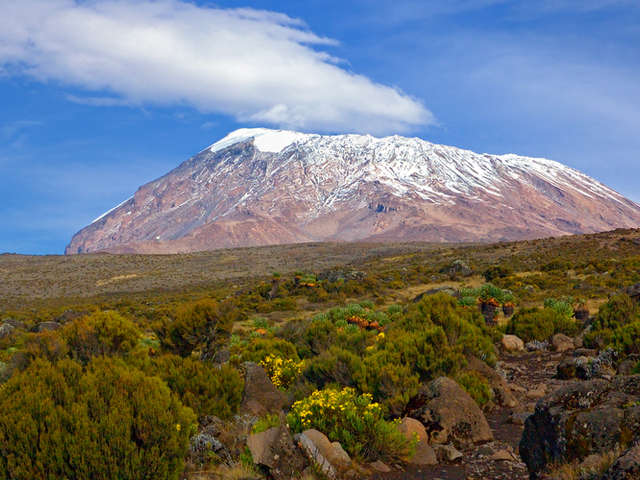
When we talk about Location Lake Manyara extends for over 50km along the bottom of the 600 meters high escarpment of the Great Rift Valley. It got its name from the Maasai word ‘Manyara’ that is a plant that we refer to as Euphorbia tiraculli. The plant is locally planted around cattle paddocks to serve as fencing for security of the locals’ animals. The park is breathtakingly beautiful and visiting it will be an unforgettable experience. It was described by American journalist and novelist Ernest Hemingway as “the loveliest I had seen in Africa”. While travelling from Arusha towards MtowaMbu village (pronounced mtowamboe), you will get a magnificent view of the rift wall, and as you ascend it you will get sight of Lake Manyara; It is an unbelievably stunning sight as you appreciate the vast lake with the green vegetation around it.
Wildlife in Lake Manyara National Park
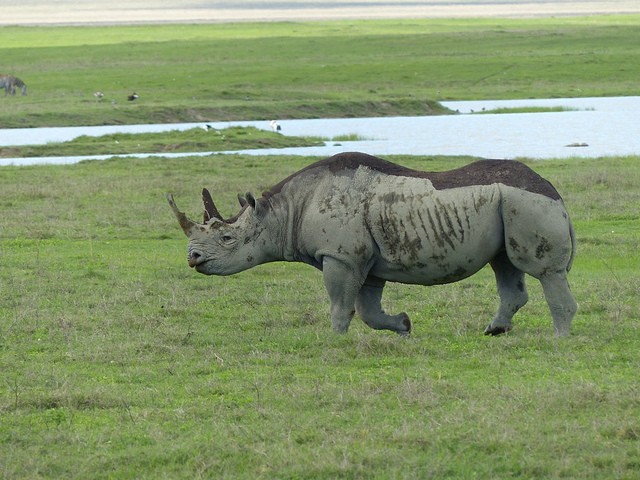
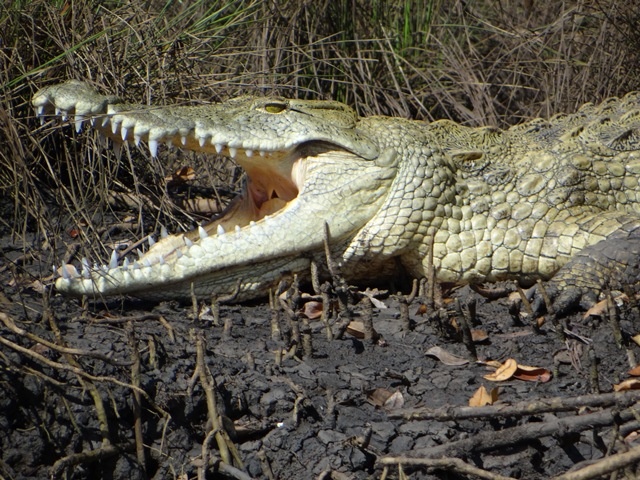
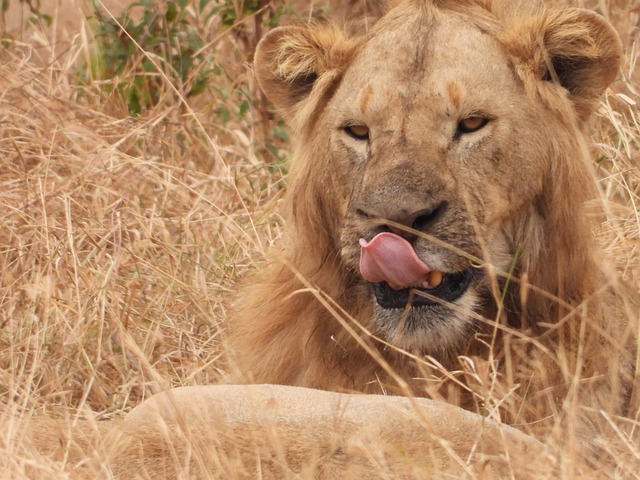
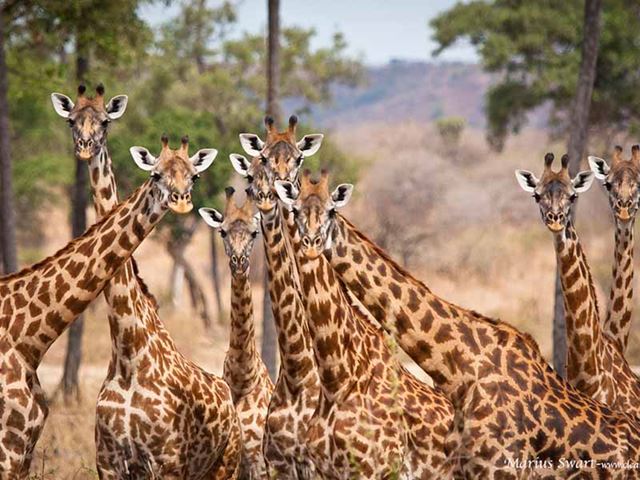
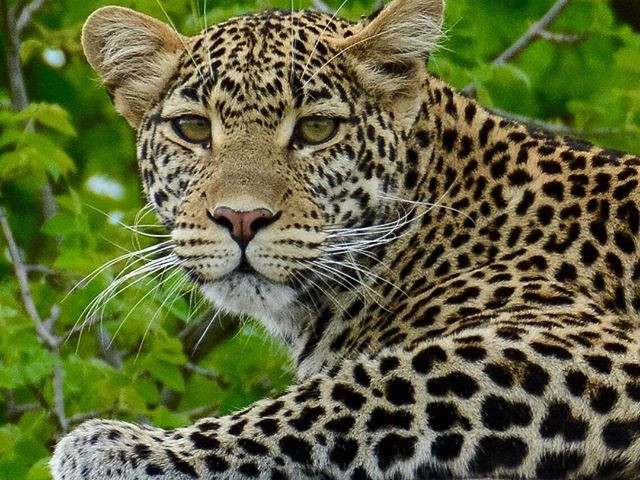
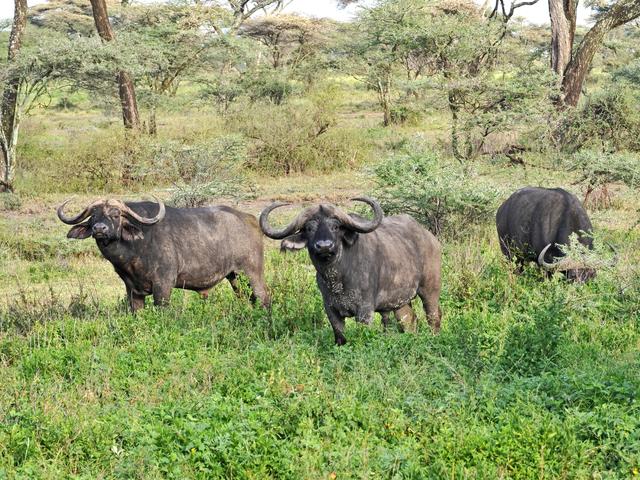
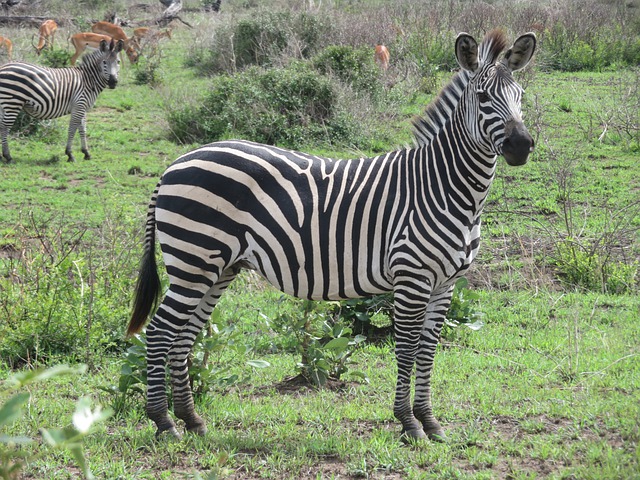
Lake Manyara national park is a dream come true for any avid bird watcher having a record of about 380 species of birds particularly migrants and water birds. There are large herds of elephants; its forests are very popular internationally for being the absolute perfect place to view leopards on an African Wildlife Safari, while Lions stalk their next meal on the shores of Lake Manyara. In particular, the park is famous for these lions that have a unique trait of climbing trees, something that in previous years was not done by these lions. Other wildlife includes: buffaloes, different antelopes, giraffes, baboons, hippos and blue monkeys
When is the best time to go to Lake Manyara National Park
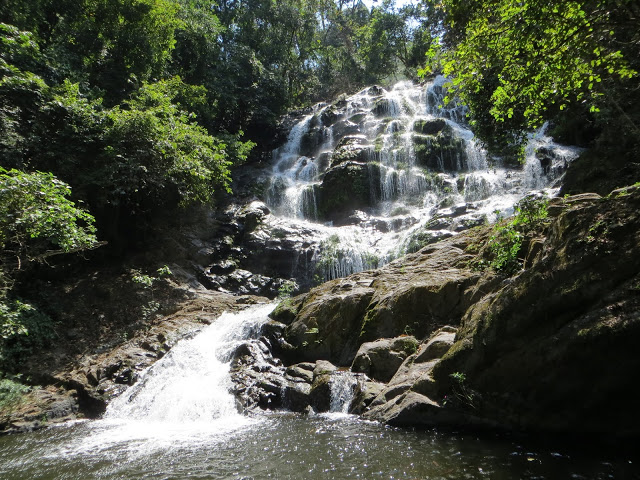
During the dry season, you are in a better position to view the wildlife however the wet season is better for birdwatchers and the waterfalls are brimful. The dry season takes place during the cooler winter months which run from July until October. The dry short rainy season takes place in the months of November and December. The long mild rainy season runs from March until June.
Combining Lake Manyara National Park with other Tanzania Destinations
Lake Manyara National Park stands out particularly during the day. The best time to view the park is during the months from December to February as well as from May to July dwindling from August to September. Majority of the people that tour Lake Manyara National Park, add it to their itinerary on the way to Tarangire National Park, Serengeti national park or Ngorongoro Crater.
Attraction |Things to do in Lake Manyara National Park
Track the tree climbing lions
Getting the opportunity to see tree climbing lions is a truly exceptional experience since there are only two such prides left in the whole of Africa that have this rare trait. One of the two prides is situated in Queen Elizabeth National Park which is located in Uganda and the other one is found in Lake Manyara National Park. Currently, you may also be able to see a few tee-climbing lions in Tarangire or Serengeti national parks. These lions are believed to climb trees in order to keep away from insects such as the tsetse flies among others in addition to relishing in the cool breeze up there. The trees also provide the lions with a great viewpoint of the park. In case you have only one day to vacation, you should definitely spend it in Lake Manyara National Park searching for the tree-climbing lions. It will be worth it!
See the numerous elephants
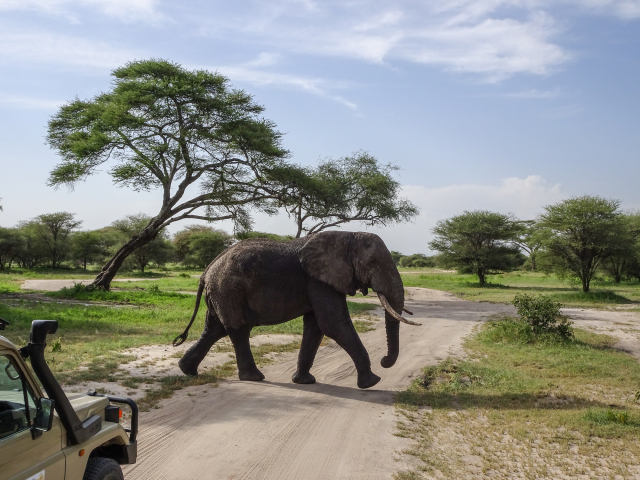
Similar to Tarangire National Park which is close by, Lake Manyara National Park inhabits herds of elephants. The elephants wander through the rich forests plus the acacia woodlands which are supplied by high groundwater levels. The luxuriant thick vegetation provides abundant food for the gentle giants.
Explore the Canopy walkway
Majority of the time on your safari is consumed in the safari car. Usually, there are strict rules for you to stay in your vehicle at all times while you are inside the national park. however while you are at Lake Manyara National Park, you can take a walk in the tree canopy at the Treetop Walkway. You will have a travel guide with you to escort you as well as to educate and engage with you. As you walk through the treetops, you may not come across any wildlife however it gives you a chance to leave your car and enjoy the array of smells, colors plus sounds around you.
Watch the social baboons
Lake Manyara National Park is popular for having huge groups of baboons.
Despite the fact that they are not much loved by all people, they are very friendly animals and are a real delight to watch as they engage with each other. You can get to observe the little ones try to grasp how to survive and the older ones fighting for a more elevated position in the social scale.
Go Bird watching
Lake Manyara National Park is rich with birdlife as well as a number of birding places such as the groundwater forests which are home to more than 350 bird species. You will be able to see the glossy ibis, grey crowned crane, pink backed pelicans, spoonbills, egret, flamingoes, white-faced whistling duck, long-crested eagle, cormorants, long crested eagle, storks, sacred ibis, herons, fulvous whistling duck and others while birding in the park. Some of the birds that can be found in the woodlands include crown eagles, created guinea fowls plus the noisy cheeked hornbill and others. The months of November to July are the best time for birding in Lake Manyara National park.
Watch the pink flamingos
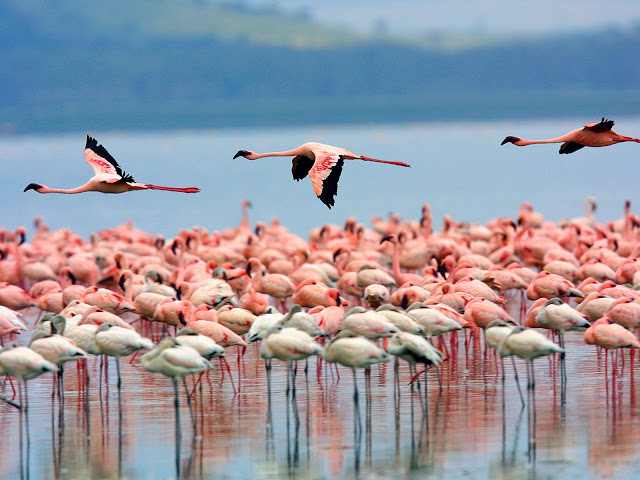
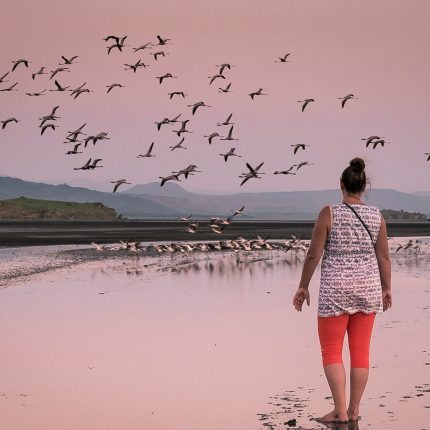
The soda lake – Lake Manyara is a paradise for a variety of wild animals. Apart from the numerous species of antelopes, Lake Manyara has a magnificent birdlife. Beautiful flamingos, as well as proud pelicans, reside in the surrounding swamps plus the lake.
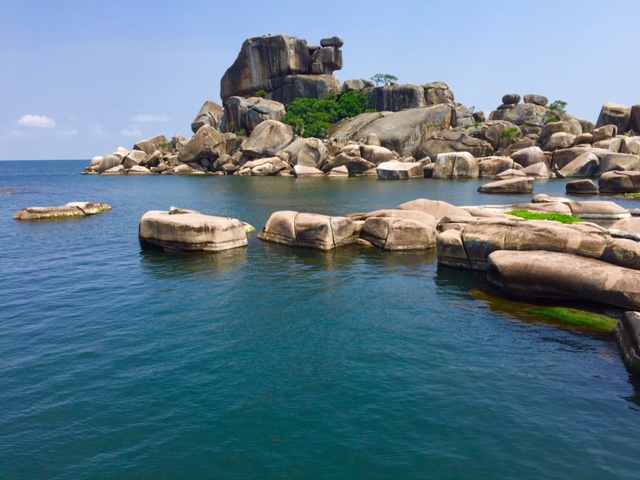
Explore the beautiful lake
Although Lake Manyara National Park is relatively smaller than other national parks, it is quite alluring. It boosts of teeming and abundant landscapes as well as diverse wildlife. Lake Manyara is also situated next to Arusha which makes it great for a day trip destination. There are less safari cars particularly in the morning which provides you with the chance to enjoy your experience while you soak in the peace and quiet in Lake Manyara national park in the Northern Circuit in Tanzania.
Enjoy a Canoe Ride
Lake Manyara is a beautiful lake that is characterized by silver bowls of salt
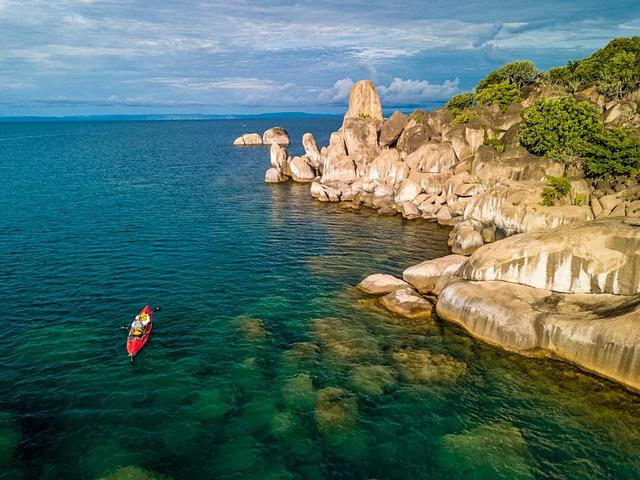
precipitate. It has the potential to shrink as the seasons change. Canoeing on Lake Manyara will explore the gorges of the steep escarpment that are covered with rich green vegetation in addition to the numerous water birds within the lake as well as the spectacular woodlands at the lake shores. Canoeing usually takes place starting from 7:00am to 5:00pm East African Time.
Guided nature walks
There are a number of walking trails in the park including the majimoto board walk way plus the canopy walkway on which you can have your guided nature walks. The guided nature walks will introduce visitors to the beauty of Mother Nature as well as different types of plants, birds, lakes and there will be splendid photo moments.
Enjoy Picnics
If you are the type of person that loves picnics, Lake Manyara has got you covered. It has three well set up picnic sites with fully functional toilets and bathrooms. You can get the chance to have a fun picnic experience complemented with a packed lunch. There are sitting arrangements for example dining areas which will offer you with a spectacular view of the animals as well as nature.
Go Camping
Lake Manyara has five camping sites which involve three private ones and two camping sites that are public. It is recommended that you come with your own camping gear since this is not provided at the camping site. The public campsites are equipped with water for cooking, washrooms plus toilets.
Where to stay in Lake Manyara National Park
There are a variety of lodging facilities in Lake Manyara National Park and they cater for different budgets stretching from luxury to midrange to budget-friendly facilities. We have highlighted a few of the well-known accommodation facilities below,
Isoitok Camp Manyara, Lake Manyara Serena Lodge, Manyara Ranch Conservancy, Lake Manyara Plantation Lodge, Kirurumu Tented Lodge (this lodge was submitted for an award for its work as a conservation project with the local community.), Lake Burunge Tented Camp and the Andbeyond Lake Manyara Tree Lodge
- Details
-
Lake Manyara National Park is among the most diversified in game parks in Tanzania and it covers a small area of about 325 square kilometers comprised of an integration of steep mountainside, Rift Valley Lake plus dense woodlands. This national park was set up particularly to conserve elephants, an after the release of a book ‘among the elephants’ written by Douglas Hamilton a well known researcher, the park became internationally popular. The severe poaching during the 1970’s and 80’s greatly reduced the large herds, however they are currently increasing in numbers and going back to the huge numbers they used to be the past.
When we talk about Location Lake Manyara extends for over 50km along the bottom of the 600 meters high escarpment of the Great Rift Valley. It got its name from the Maasai word ‘Manyara’ that is a plant that we refer to as Euphorbia tiraculli. The plant is locally planted around cattle paddocks to serve as fencing for security of the locals’ animals. The park is breathtakingly beautiful and visiting it will be an unforgettable experience. It was described by American journalist and novelist Ernest Hemingway as “the loveliest I had seen in Africa”. While travelling from Arusha towards MtowaMbu village (pronounced mtowamboe), you will get a magnificent view of the rift wall, and as you ascend it you will get sight of Lake Manyara; It is an unbelievably stunning sight as you appreciate the vast lake with the green vegetation around it.
Wildlife in Lake Manyara National Park
Lake Manyara national park is a dream come true for any avid bird watcher having a record of about 380 species of birds particularly migrants and water birds. There are large herds of elephants; its forests are very popular internationally for being the absolute perfect place to view leopards on an African Wildlife Safari, while Lions stalk their next meal on the shores of Lake Manyara. In particular, the park is famous for these lions that have a unique trait of climbing trees, something that in previous years was not done by these lions. Other wildlife includes: buffaloes, different antelopes, giraffes, baboons, hippos and blue monkeys
When is the best time to go to Lake Manyara National Park
During the dry season, you are in a better position to view the wildlife however the wet season is better for birdwatchers and the waterfalls are brimful. The dry season takes place during the cooler winter months which run from July until October. The dry short rainy season takes place in the months of November and December. The long mild rainy season runs from March until June.
Combining Lake Manyara National Park with other Tanzania Destinations
Lake Manyara National Park stands out particularly during the day. The best time to view the park is during the months from December to February as well as from May to July dwindling from August to September. Majority of the people that tour Lake Manyara National Park, add it to their itinerary on the way to Tarangire National Park, Serengeti national park or Ngorongoro Crater.
- Attractions
-
Attraction |Things to do in Lake Manyara National Park
Track the tree climbing lions
Getting the opportunity to see tree climbing lions is a truly exceptional experience since there are only two such prides left in the whole of Africa that have this rare trait. One of the two prides is situated in Queen Elizabeth National Park which is located in Uganda and the other one is found in Lake Manyara National Park. Currently, you may also be able to see a few tee-climbing lions in Tarangire or Serengeti national parks. These lions are believed to climb trees in order to keep away from insects such as the tsetse flies among others in addition to relishing in the cool breeze up there. The trees also provide the lions with a great viewpoint of the park. In case you have only one day to vacation, you should definitely spend it in Lake Manyara National Park searching for the tree-climbing lions. It will be worth it!
See the numerous elephants
Similar to Tarangire National Park which is close by, Lake Manyara National Park inhabits herds of elephants. The elephants wander through the rich forests plus the acacia woodlands which are supplied by high groundwater levels. The luxuriant thick vegetation provides abundant food for the gentle giants.
Explore the Canopy walkway
Majority of the time on your safari is consumed in the safari car. Usually, there are strict rules for you to stay in your vehicle at all times while you are inside the national park. however while you are at Lake Manyara National Park, you can take a walk in the tree canopy at the Treetop Walkway. You will have a travel guide with you to escort you as well as to educate and engage with you. As you walk through the treetops, you may not come across any wildlife however it gives you a chance to leave your car and enjoy the array of smells, colors plus sounds around you.
Watch the social baboons
Lake Manyara National Park is popular for having huge groups of baboons.
Despite the fact that they are not much loved by all people, they are very friendly animals and are a real delight to watch as they engage with each other. You can get to observe the little ones try to grasp how to survive and the older ones fighting for a more elevated position in the social scale.
Go Bird watching
Lake Manyara National Park is rich with birdlife as well as a number of birding places such as the groundwater forests which are home to more than 350 bird species. You will be able to see the glossy ibis, grey crowned crane, pink backed pelicans, spoonbills, egret, flamingoes, white-faced whistling duck, long-crested eagle, cormorants, long crested eagle, storks, sacred ibis, herons, fulvous whistling duck and others while birding in the park. Some of the birds that can be found in the woodlands include crown eagles, created guinea fowls plus the noisy cheeked hornbill and others. The months of November to July are the best time for birding in Lake Manyara National park.
Watch the pink flamingos
The soda lake – Lake Manyara is a paradise for a variety of wild animals. Apart from the numerous species of antelopes, Lake Manyara has a magnificent birdlife. Beautiful flamingos, as well as proud pelicans, reside in the surrounding swamps plus the lake.
Explore the beautiful lake
Although Lake Manyara National Park is relatively smaller than other national parks, it is quite alluring. It boosts of teeming and abundant landscapes as well as diverse wildlife. Lake Manyara is also situated next to Arusha which makes it great for a day trip destination. There are less safari cars particularly in the morning which provides you with the chance to enjoy your experience while you soak in the peace and quiet in Lake Manyara national park in the Northern Circuit in Tanzania.
Enjoy a Canoe Ride
Lake Manyara is a beautiful lake that is characterized by silver bowls of salt
precipitate. It has the potential to shrink as the seasons change. Canoeing on Lake Manyara will explore the gorges of the steep escarpment that are covered with rich green vegetation in addition to the numerous water birds within the lake as well as the spectacular woodlands at the lake shores. Canoeing usually takes place starting from 7:00am to 5:00pm East African Time.
Guided nature walks
There are a number of walking trails in the park including the majimoto board walk way plus the canopy walkway on which you can have your guided nature walks. The guided nature walks will introduce visitors to the beauty of Mother Nature as well as different types of plants, birds, lakes and there will be splendid photo moments.
Enjoy Picnics
If you are the type of person that loves picnics, Lake Manyara has got you covered. It has three well set up picnic sites with fully functional toilets and bathrooms. You can get the chance to have a fun picnic experience complemented with a packed lunch. There are sitting arrangements for example dining areas which will offer you with a spectacular view of the animals as well as nature.
Go Camping
Lake Manyara has five camping sites which involve three private ones and two camping sites that are public. It is recommended that you come with your own camping gear since this is not provided at the camping site. The public campsites are equipped with water for cooking, washrooms plus toilets.
- Where to Stay
-
Where to stay in Lake Manyara National Park
There are a variety of lodging facilities in Lake Manyara National Park and they cater for different budgets stretching from luxury to midrange to budget-friendly facilities. We have highlighted a few of the well-known accommodation facilities below,
Isoitok Camp Manyara, Lake Manyara Serena Lodge, Manyara Ranch Conservancy, Lake Manyara Plantation Lodge, Kirurumu Tented Lodge (this lodge was submitted for an award for its work as a conservation project with the local community.), Lake Burunge Tented Camp and the Andbeyond Lake Manyara Tree Lodge
Book a Tour
Tanzania Safaris
You will visit Tarangire, Serengeti, Ngoro-Ngoro and Lake Manyara
You will visit Tarangire, Serengeti, Ngoro-Ngoro and Lake Manyara

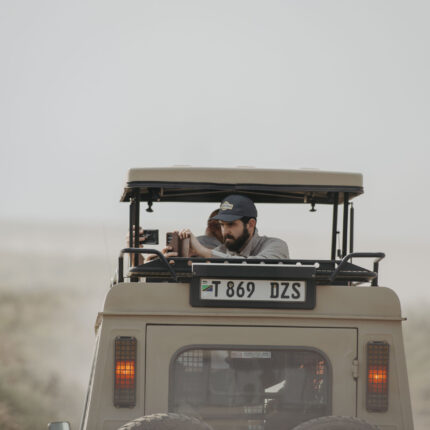
You will visit Tarangire, Ngoro-Ngoro and Serengeti National Park
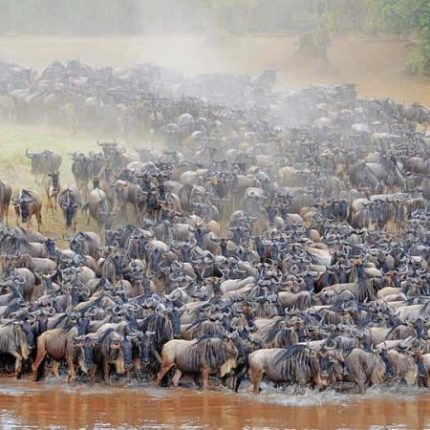
You will visit Ngoro-Ngoro and Serengeti National Park
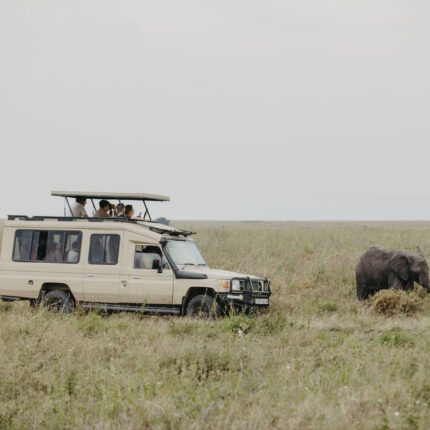
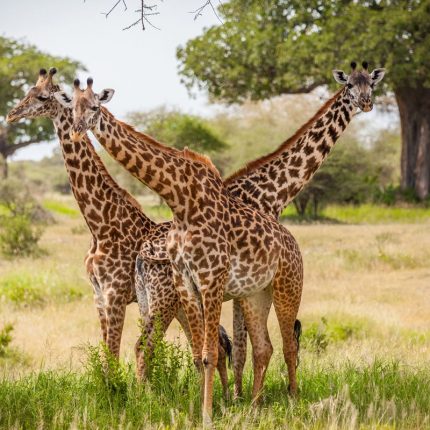
You will visit Tarangire National Park and Ngoro-Ngoro Conservation Area
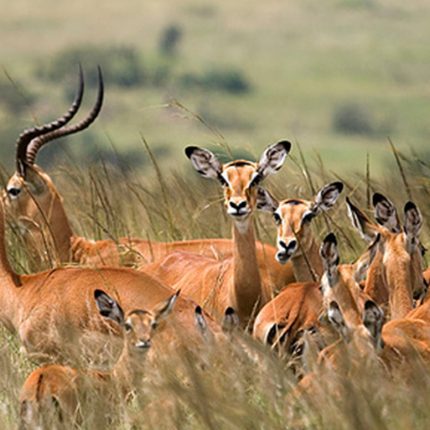
You will visit Mikumi National Park, and Dar-Es-Salaam
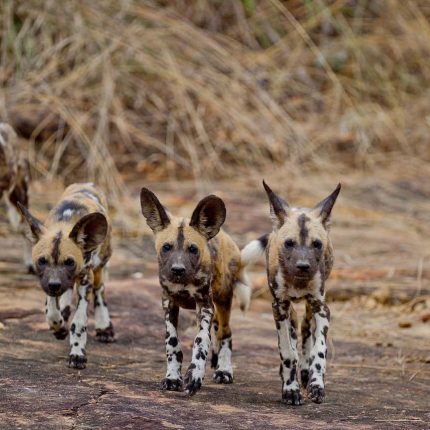
You will visit Selous Game Reserve and Dar-es-Salaam