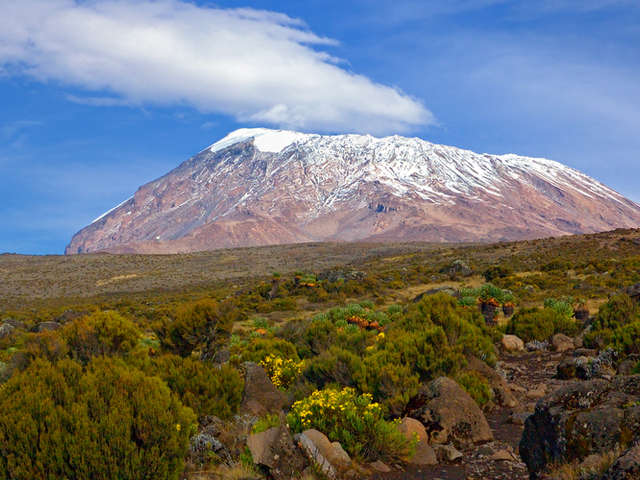
Covering an area of over 20,000 km² Tanzania’s Ruaha National Park is the biggest national park in the whole of East Africa and is among the popular national parks in Tanzania where you can enjoy a unique Tanzania Safari Holiday with breathtaking views while in the comfort of a closed or open safari vehicle as you watch the animals.
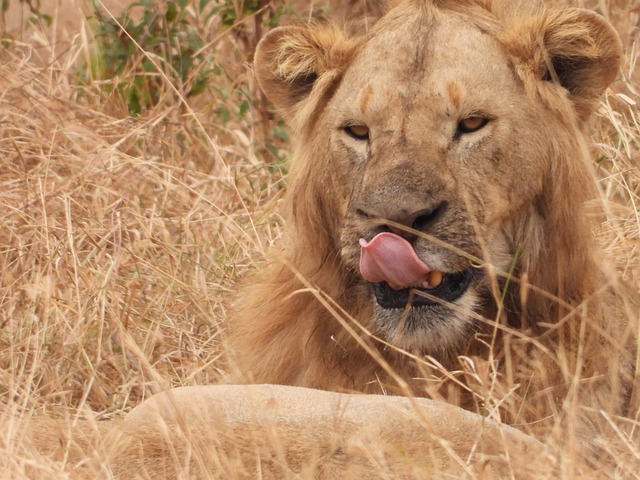
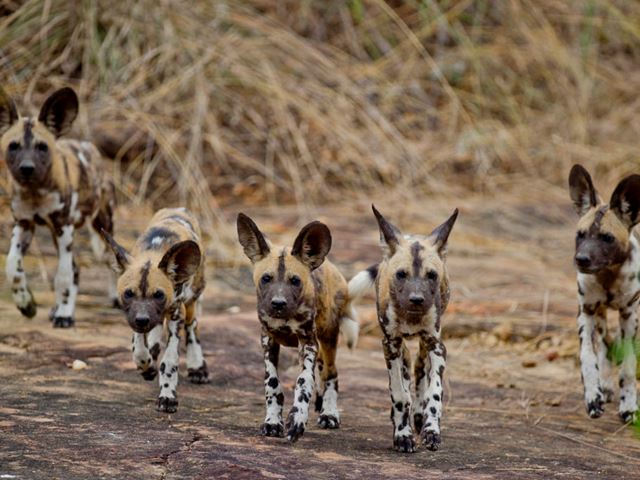
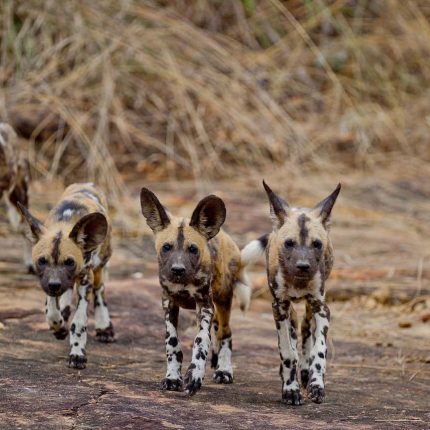
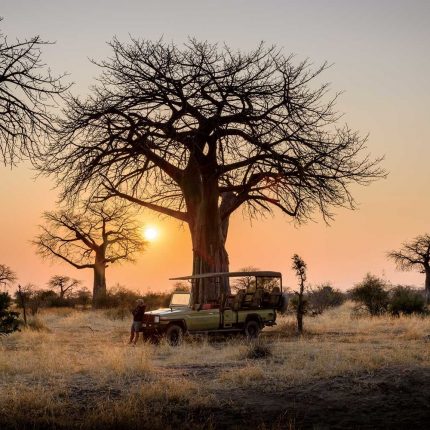
Ruaha Location makes it part of the destinations along the Tanzania Southern Safari Circuit, however because of its inaccessibility it receives few number of tourists compared to the Selous Game Reserve and also less than other corresponding Northern circuit parks. What makes this distant trip worth your while is the scattered baobab hills, the wild scenery, the magnificent wildlife and rocky escarpments. Ruaha wildlife safaris are well endowed with mind-blowing concentrations of predators with one out of the four cheetah population found within East Africa, 10% of the entire lion population in the world, and is also holds the 3rd biggest population of wild dogs worldwide, in addition to other animals.
History of Ruaha National Park
The word “Ruaha” comes from the word “Ruvaha”, in the local Hehe language that means “river”. The park is a component of the larger over 45,000 square kilometer Kizigo-Rungwa-Muesi ecological system.
The history of this park goes back to 1910, a time when the Germans first gazette it and called it Saba Game reserve, a name that was later in 1964 altered by the British to Rungwa Game Reserve. The Southern part of the reserve was in 1964 declared the Ruaha National park and later a small part of the Great Ruaha River which was the Southeastern portion was amalgamated within the Ruaha Park in 1974. The Usangu game reserve together with different significant wetlands found within the Usangu basin was incorporated into this park in 2008, therefore, making Ruaha Tanzania’s and East Africa’s biggest park with a coverage of around 20,226km².
What is the best time to visit Ruaha
Traditionally Ruaha is a dry season park whose favors game viewing gets increasingly better as you get to the end of the dry season since the rivers and waterholes become dry and the wildlife centers around the few remaining water sources. A safari in Ruaha is just like a Selous trip, it is secluded with almost no one in sight during your safari. The park has pockets where wildlife gatherings are perfect all year round. June is the breeding season for the Greater Kudu male gender thus they are seen frequently.
The best time for birding, is in the rainy months of January to April with wild flowers and the lush landscape and from December all the way to March.
Things to do in Ruaha National
Game driving: this is the major daytime activity on a Ruaha safari tour. These are conducted either in the early morning or in the evening; however, Tours in the night time are prohibited.
Walking Safaris: there are both short and extended walking safaris in the Ruaha wilderness, although a few of the Ruaha camps here have not to organize walking safaris as a result of the increasing elephant numbers. Nonetheless, Dumela African will help you organize a memorable walking expedition as we have very highly skilled guides to lead you on this expedition.
Hot Air Balloon excursions: this are conducted very early in the morning abd will give you an aerial view of the park. Because of the limited number of people per ride, we highly recommend our clients to the booth with us at least 3 months earlier to guarantee availability
Bird watching tours: with our team of expert birding guides e organize a variety of bird watching tours during which devoted birders can spot as many as close to one hundred species
Bush meals: within the Ruaha wilderness, you can enjoy a variety of meals ranging from bus dinners, lunches, breakfasts and picnics.
Fly camping tours: The sole camp here that performs fly camping tours with memorable nights beneath the stars is Jongomero camp.
Top attractions in Ruaha National Park
Wildlife in Ruaha National Park
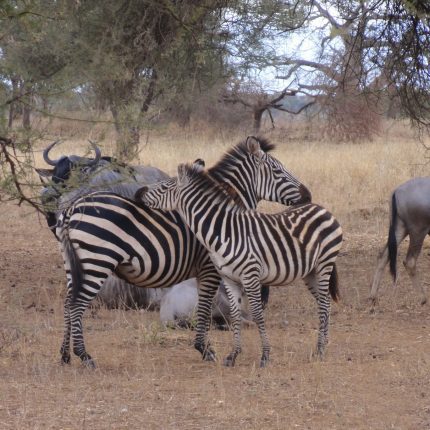
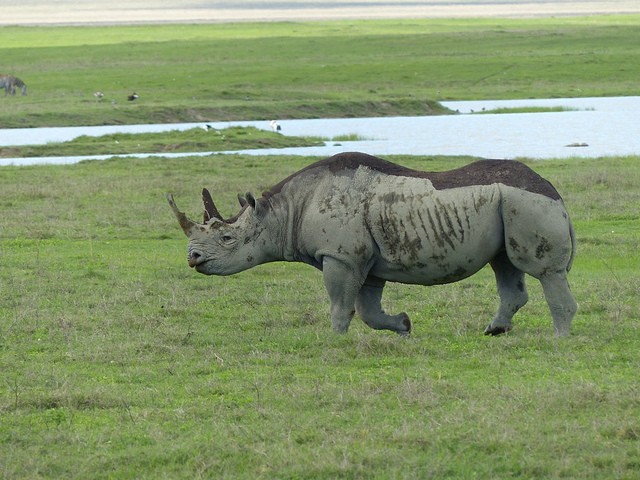
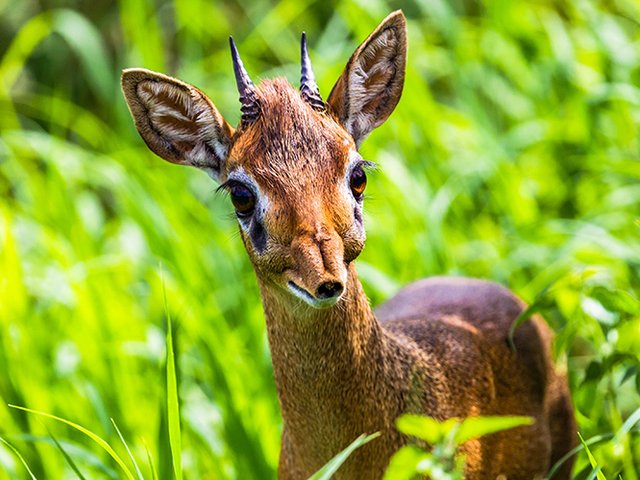
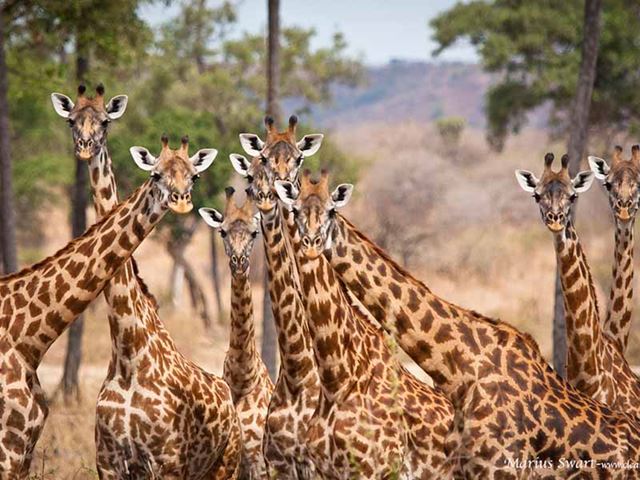
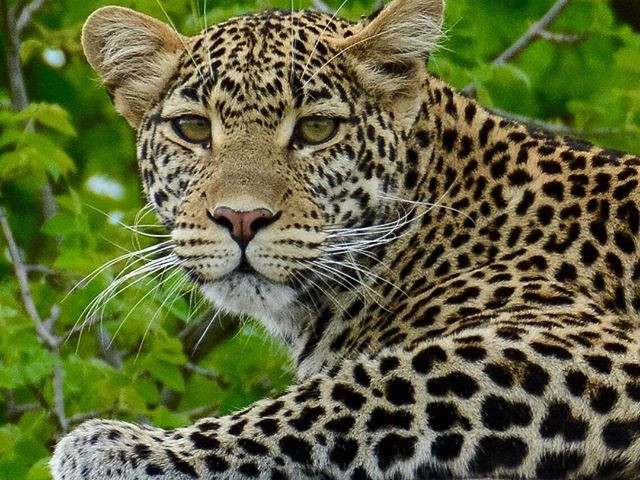
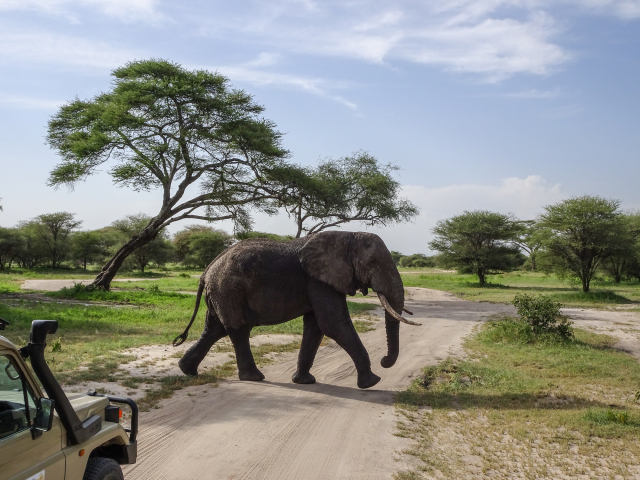
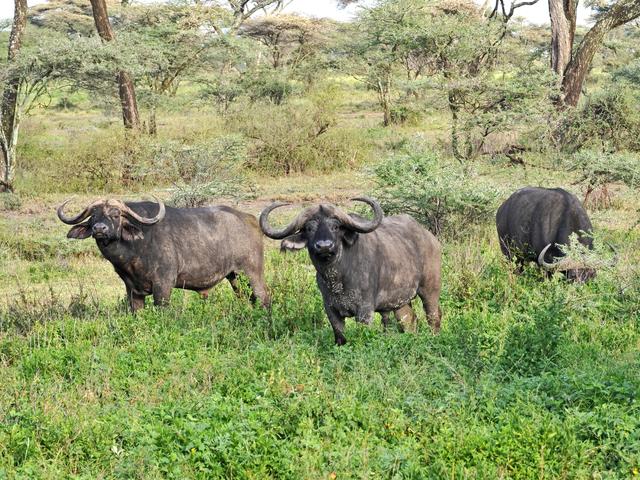
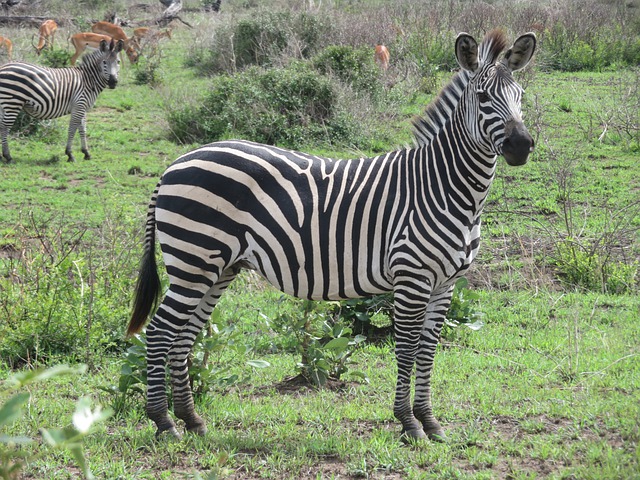
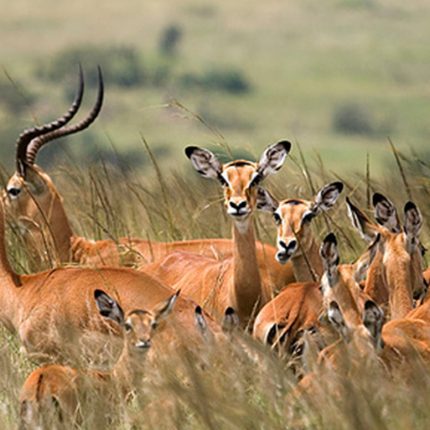
Ruaha showcases every predator from the lion to the cheetah, the hyena, the leopard and also the wild dog. There are herds of elephants and buffaloes all over the park but the icing on the cake is the combination of various species that hail from Southern and Eastern Africa making it a perfect destination to enjoy a Tanzania Safari Holiday. Species like the lesser Kudu, the greater Kudu, the Grant’s gazelle and the sable antelope are frequently spotted at the same place as the defassa waterbucks, zebras, giraffes, impalas, the hartebeest and the roan and
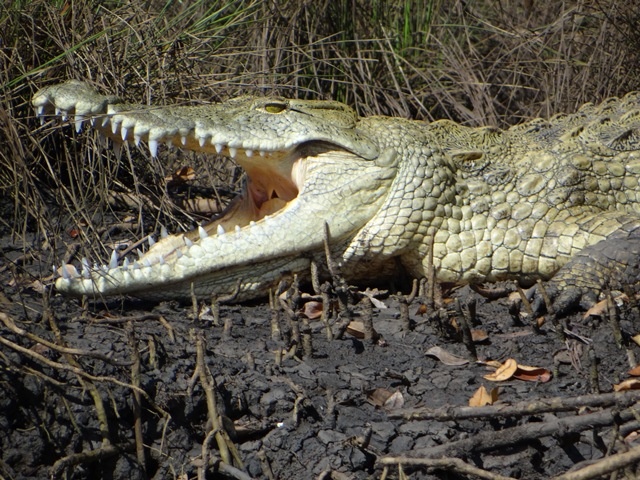
sable antelopes. Furthermore, Ruaha National Park is home to several amphibians and reptiles like frogs, agma lizards, non-poisonous and poisonous snakes, crocodiles and monitor lizards.
Birds in Ruaha
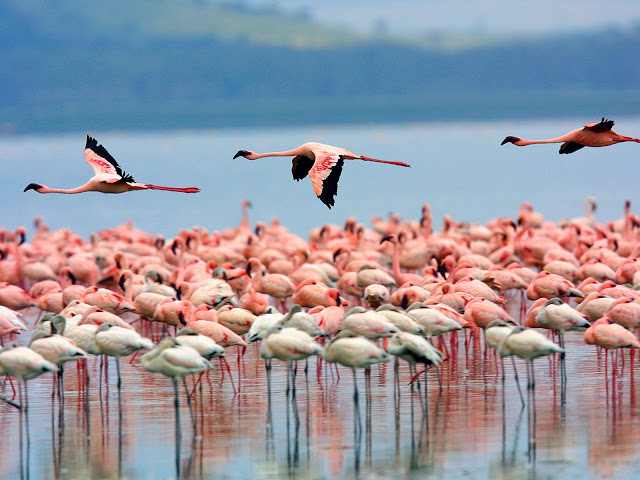
The park contains over five hundred seventy (570) species with a few of them being migrants from outside of Africa and others from within. The park records species that have migrated from Asia, Europe, Madagascar and the Australian rim. The Usangu basin that was a recent addition is among Tanzania’s most important birding areas (IBA) according to Birdlife International. The fascinating tokus ruahae (Ruaha red-billed hornbill) in addition to bird species like the goliath herons, the ashy starlings, the Black-collared lovebird, the saddle-billed storks, the white-backed night heron, the fish eagle, the bateleur as well as the white-headed plovers, plus six (6) hornbill and vulture species all prevail in this park.
The perfect time to go for birding in Ruaha is during the rainy season even though it can be done at any other time of the year.
Balloon safari tours in Ruaha National Park
If you wish to experience a unique setting of the breathtaking Ruaha scenery and at the same time also want to look for wildlife, balloon tours can solve both of these needs. The feeling of buoyance over the endless wilderness offers you a sense of peacefulness that cannot easily be compared in any other place. For every person, the cost of having a balloon adventure is $550 and even though this price seems a bit too high, this experience is one you would not want to miss out on. It is a lifetime adventure that will surely be worth your while.
Accommodations in Ruaha National park
Ruaha has a number of luxurious camps with Jongomero spearheading in the fine accommodation facilities hidden far in the park’s South. Ikuka is also one of amazing sights from the slopes plus its close proximity to River Mwagusi offers top game views. Being the elder of lodges in this park, Mwagusi offers a very comfortable and splendid stay.
The Kigelia Camp and Kwihala Camp are duo lavish tented camps meant for adventure while River Mdonya Old is the best choice for a lower budget. Ruaha River Lodge is situated in an excellent location and offers spacious and more affordable accommodations.
- Details
-
Covering an area of over 20,000 km² Tanzania’s Ruaha National Park is the biggest national park in the whole of East Africa and is among the popular national parks in Tanzania where you can enjoy a unique Tanzania Safari Holiday with breathtaking views while in the comfort of a closed or open safari vehicle as you watch the animals.
Ruaha Location makes it part of the destinations along the Tanzania Southern Safari Circuit, however because of its inaccessibility it receives few number of tourists compared to the Selous Game Reserve and also less than other corresponding Northern circuit parks. What makes this distant trip worth your while is the scattered baobab hills, the wild scenery, the magnificent wildlife and rocky escarpments. Ruaha wildlife safaris are well endowed with mind-blowing concentrations of predators with one out of the four cheetah population found within East Africa, 10% of the entire lion population in the world, and is also holds the 3rd biggest population of wild dogs worldwide, in addition to other animals.
History of Ruaha National Park
The word “Ruaha” comes from the word “Ruvaha”, in the local Hehe language that means “river”. The park is a component of the larger over 45,000 square kilometer Kizigo-Rungwa-Muesi ecological system.
The history of this park goes back to 1910, a time when the Germans first gazette it and called it Saba Game reserve, a name that was later in 1964 altered by the British to Rungwa Game Reserve. The Southern part of the reserve was in 1964 declared the Ruaha National park and later a small part of the Great Ruaha River which was the Southeastern portion was amalgamated within the Ruaha Park in 1974. The Usangu game reserve together with different significant wetlands found within the Usangu basin was incorporated into this park in 2008, therefore, making Ruaha Tanzania’s and East Africa’s biggest park with a coverage of around 20,226km².
What is the best time to visit Ruaha
Traditionally Ruaha is a dry season park whose favors game viewing gets increasingly better as you get to the end of the dry season since the rivers and waterholes become dry and the wildlife centers around the few remaining water sources. A safari in Ruaha is just like a Selous trip, it is secluded with almost no one in sight during your safari. The park has pockets where wildlife gatherings are perfect all year round. June is the breeding season for the Greater Kudu male gender thus they are seen frequently.
The best time for birding, is in the rainy months of January to April with wild flowers and the lush landscape and from December all the way to March.
Things to do in Ruaha National
Game driving: this is the major daytime activity on a Ruaha safari tour. These are conducted either in the early morning or in the evening; however, Tours in the night time are prohibited.
Walking Safaris: there are both short and extended walking safaris in the Ruaha wilderness, although a few of the Ruaha camps here have not to organize walking safaris as a result of the increasing elephant numbers. Nonetheless, Dumela African will help you organize a memorable walking expedition as we have very highly skilled guides to lead you on this expedition.
Hot Air Balloon excursions: this are conducted very early in the morning abd will give you an aerial view of the park. Because of the limited number of people per ride, we highly recommend our clients to the booth with us at least 3 months earlier to guarantee availability
Bird watching tours: with our team of expert birding guides e organize a variety of bird watching tours during which devoted birders can spot as many as close to one hundred species
Bush meals: within the Ruaha wilderness, you can enjoy a variety of meals ranging from bus dinners, lunches, breakfasts and picnics.
Fly camping tours: The sole camp here that performs fly camping tours with memorable nights beneath the stars is Jongomero camp.
- Attractions
-
Top attractions in Ruaha National Park
Wildlife in Ruaha National Park
Ruaha showcases every predator from the lion to the cheetah, the hyena, the leopard and also the wild dog. There are herds of elephants and buffaloes all over the park but the icing on the cake is the combination of various species that hail from Southern and Eastern Africa making it a perfect destination to enjoy a Tanzania Safari Holiday. Species like the lesser Kudu, the greater Kudu, the Grant’s gazelle and the sable antelope are frequently spotted at the same place as the defassa waterbucks, zebras, giraffes, impalas, the hartebeest and the roan and
sable antelopes. Furthermore, Ruaha National Park is home to several amphibians and reptiles like frogs, agma lizards, non-poisonous and poisonous snakes, crocodiles and monitor lizards.
Birds in Ruaha
The park contains over five hundred seventy (570) species with a few of them being migrants from outside of Africa and others from within. The park records species that have migrated from Asia, Europe, Madagascar and the Australian rim. The Usangu basin that was a recent addition is among Tanzania’s most important birding areas (IBA) according to Birdlife International. The fascinating tokus ruahae (Ruaha red-billed hornbill) in addition to bird species like the goliath herons, the ashy starlings, the Black-collared lovebird, the saddle-billed storks, the white-backed night heron, the fish eagle, the bateleur as well as the white-headed plovers, plus six (6) hornbill and vulture species all prevail in this park.
The perfect time to go for birding in Ruaha is during the rainy season even though it can be done at any other time of the year.
Balloon safari tours in Ruaha National Park
If you wish to experience a unique setting of the breathtaking Ruaha scenery and at the same time also want to look for wildlife, balloon tours can solve both of these needs. The feeling of buoyance over the endless wilderness offers you a sense of peacefulness that cannot easily be compared in any other place. For every person, the cost of having a balloon adventure is $550 and even though this price seems a bit too high, this experience is one you would not want to miss out on. It is a lifetime adventure that will surely be worth your while.
- Where to Stay
-
Accommodations in Ruaha National park
Ruaha has a number of luxurious camps with Jongomero spearheading in the fine accommodation facilities hidden far in the park’s South. Ikuka is also one of amazing sights from the slopes plus its close proximity to River Mwagusi offers top game views. Being the elder of lodges in this park, Mwagusi offers a very comfortable and splendid stay.
The Kigelia Camp and Kwihala Camp are duo lavish tented camps meant for adventure while River Mdonya Old is the best choice for a lower budget. Ruaha River Lodge is situated in an excellent location and offers spacious and more affordable accommodations.
Book a Tour
Tanzania Safaris
You will visit Mikumi National Park, and Dar-Es-Salaam
You will visit Selous Game Reserve and Dar-es-Salaam


You will visit Mikumi National Park, Ruaha and Udzungwa Mountains
You will visit Mikumi National Park, Ruaha and Selous Game Reserve
You will visit Mikumi, Ruaha and Selous Game Reserve