Serengeti National Park which is situated in Tanzania is a true paradise for those looking for a Tanzania Safari holiday. It is very vast and extends for about 14,750 square kilometers providing among the greatest wildlife encounters in addition to the typical East African landscape of extensive savanna. Serengeti is a Maasai word that can be translated to mean “endless plains” and the spectacular scene of the Great Migration makes a visit to the park truly exceptional.
Serengeti is derived from the Maasai language, from the word ‘siringet’ that implies ‘a place where the land is endless’. However it is also a land where time is infinite. The ecosystem in Serengeti has hardly evolved from the time early-man set foot there more than two million years ago.
The topography is a blend of grassy areas littered with acacia trees, sparse woodlands plus rich grasslands painting the majestic picture that is Serengeti National Park. The whole ecosystem spreads out for about 30,000 square kilometers running from the north of Tanzania up to south-western Kenya. Serengeti National Park was declared a UNESCO World Heritage Site in addition to being recognized among the Seven Natural Wonders of Africa.
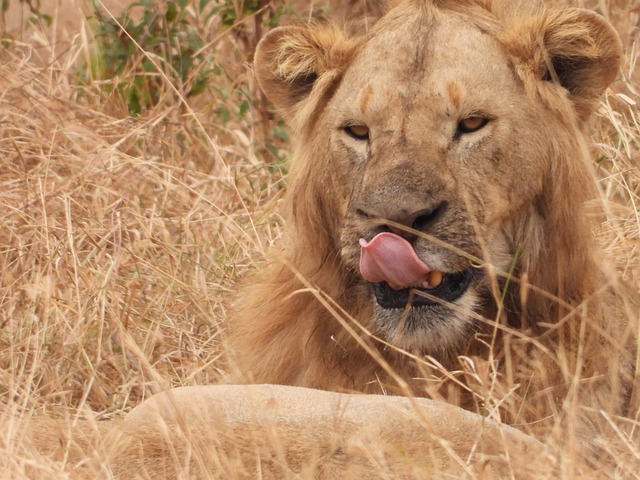
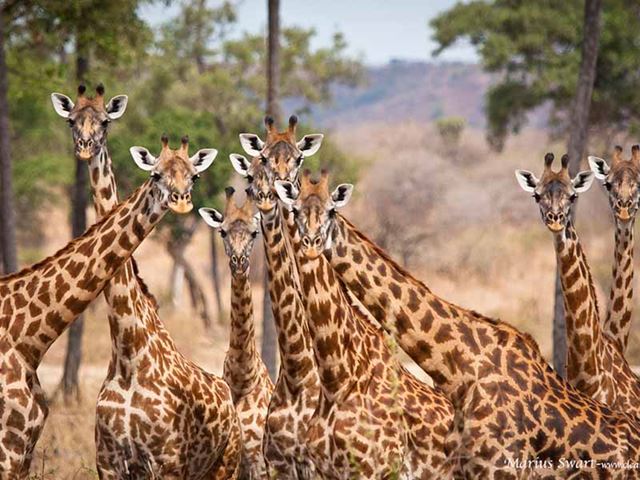
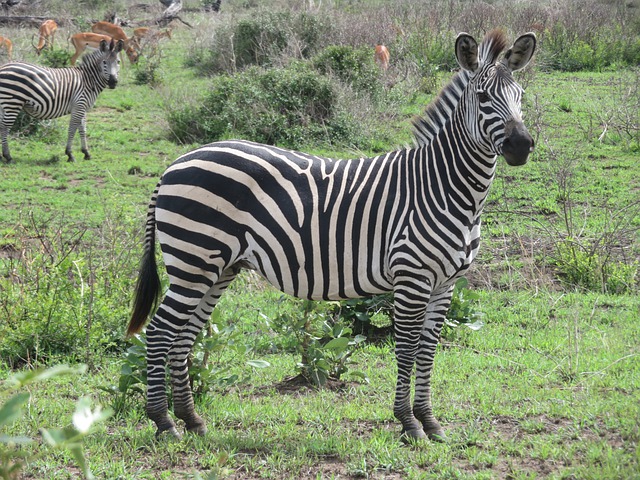
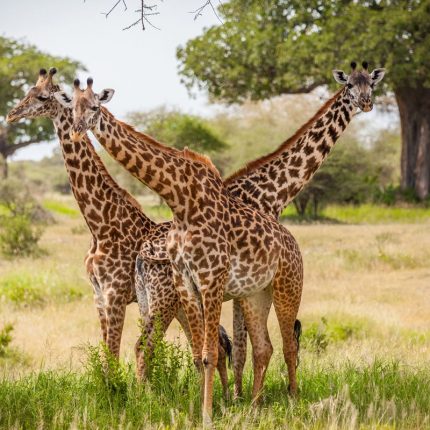
Serengeti National Park is very well-known for the multitudes of wildlife. it inhabits approximately 300 types of mammals that include the maasai giraffes, hippos, waterbucks, warthogs, lions, elephants crocodiles, in addition to the display of the Great Migration that includes nearly 1.6 wildebeests, over 300,000 gazelles and thousands of zebras making it an ideal place for a great Africa Serengeti Safari. Approximately 90,000 tourists visit the national park throughout the year.
History of Serengeti National Park
The ecosystem in Serengeti first got popular in 1892 when the first European explorer named German Oscar Baumann toured the region that was situated in the west of the Ngorongoro crater. Later in 1913, Stewart Edward White a hunter and explorer visited the area. Captivated by the huge numbers of lions in the area, that were deemed a public nuisance as well as a medal, numerous hunters flocked the area and killed them for sport. In the 1920s, the number of lions in Serengeti dropped significantly. It was a normal occurrence for more than 50 lions to be hunted in a safari hunting trip back in the days (an activity that Dumela African does not support). The government which during that period was still under the control of the British colonial rule decided to put their foot down and abolish the killing of lions. From1921 to 1930, numerous laws were put in place to conserve the wildlife in Serengeti. During the year of 1935, the hunting of lions was banned in Seronera and Banagi areas of Serengeti. Eventually, in 1951, Serengeti was declared a national park as well as recognized as a game reserve and protected conservation area.
The Regions of Serengeti National Park
Serengeti National Park is comprised of four major areas as highlighted below;
The Northern Serengeti: This is the most secluded region of Serengeti National Park and it is the ideal spot for tourists to view the well-known Mara River crossings during the Wildebeest Migration next to the border that divides Serengeti National Park and the Masai Mara National Park of Kenya.
The Southern Plains: this region is comprised of open, flat and short grassy plains extending from the southern Seronera up to the Ngorongoro Conservation area. It is the typical scenery that Serengeti is very popular for and wildebeest calving happens here an event that sees about 200,000 wildebeest calves produced every year.
The Western Corridor: It extends west to the banks of Lake Victoria and it pursues the route of the Grumeti River, which is the location of the first dangerous river crossing that occurs during the Wildebeest Migration.
The Central Seronera Valley: It is a system of river valleys that have abundant luxuriant pasture which gathers huge populations of wildlife in the area.
Wildlife in Serengeti National Park
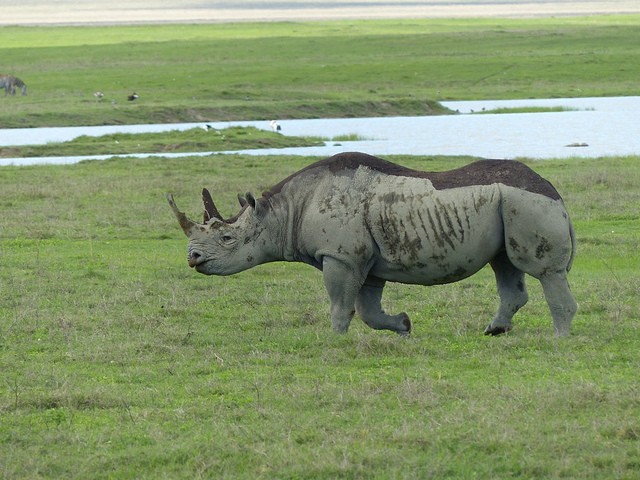
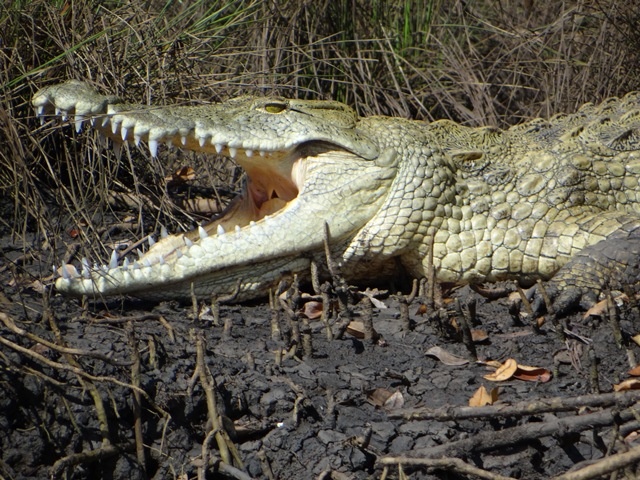
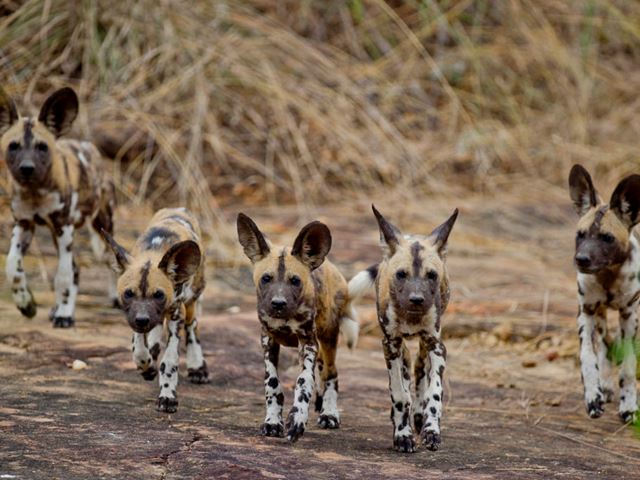
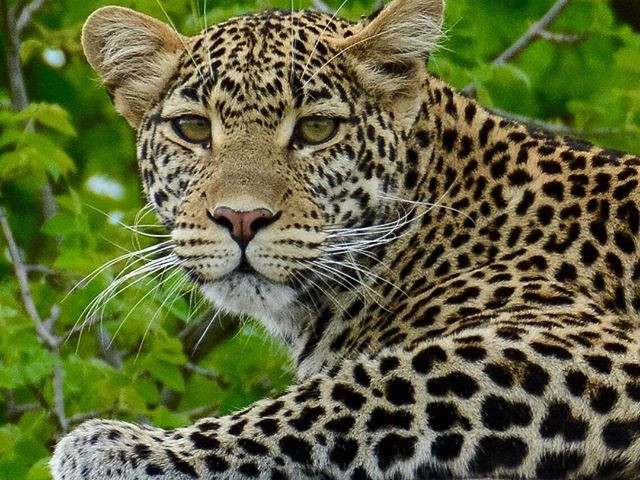
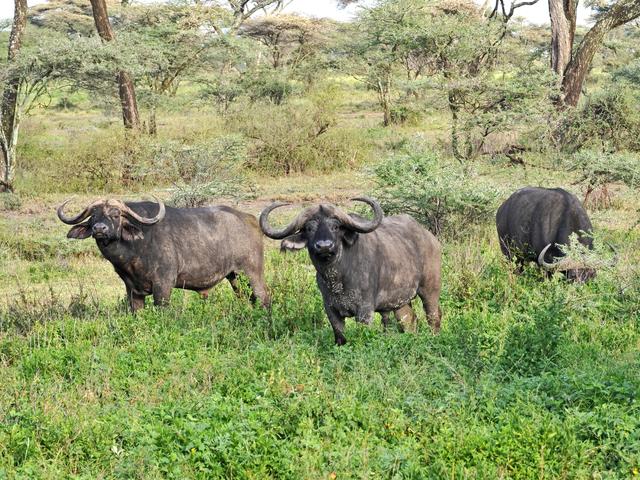
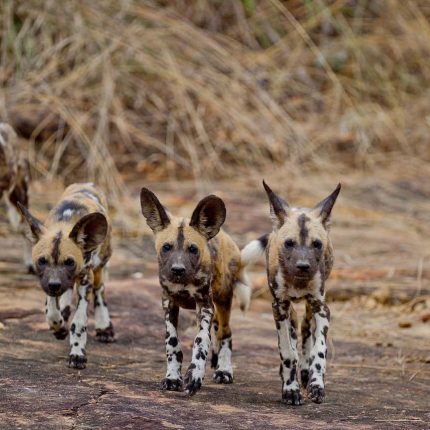
Serengeti National Park has the biggest population of predators in the whole continent. The wildlife conserved in this national park comprise of the Big Five; elephants, buffaloes, leopards, rhinos as well as lions. There are about 3,000 to 4,000 lions that reside in this park in addition to large concentrations of cheetahs, jackals plus spotted hyenas. But Serengeti National Park inhabits more than just predators and the Big Five in spite of them being the reason the park is very popular. While you are visiting the park, you will also come across mongoose, monitor lizards, colobus monkeys, elephants, agama lizards, baboons, huge Nile
crocodiles, bat-eared foxes, giraffes, more than 500 bird species such as eagles and ostriches, rock hyraxes plus hippos that spend most of their time in the muddy waters of River Mara and Grumeti.
The Serengeti Wildebeest Migration
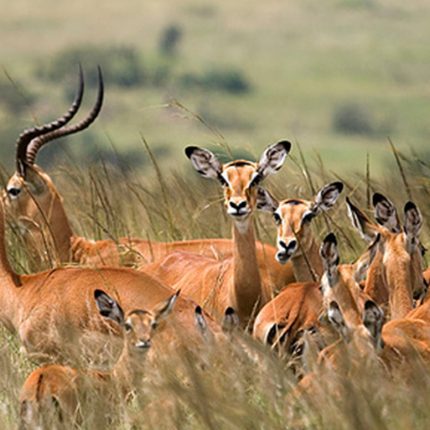
The Great Migration is the most important event that attracts multitudes of tourists from all over the world to witness the unique occurrence of the biggest land migration. A Serengeti Wildebeest Migration Safari will give you an opportunity to see some of the animals that take part in this remarkable movement. It is comprised of approximately two (2) million wildebeests, two hundred thousand (200,000) zebras as well as multitudes of other types of antelopes like gazelles (about 300,000). The migration takes place every year in an uninterrupted loop which the animals follow while they look for pasture which is offered by the rain. Experiencing this exceptional event is very unique and will forever be etched in your mind. Although the precise route, as well as the timing of the great migration, is always changing depending on the weather, it is guaranteed to consistently happen in the Serengeti plains of Kenya plus Tanzania, in Ngorongoro Conservation Area, Serengeti National Park as well as the Maasai Mara National Park.
What is the best time to go to Serengeti National Park?
The diversity of wildlife, as well as the vast nature of the area, implies that Serengeti National Park can be visited at any time throughout the year and you will have a perfect safari. If you have something specific that you would like to observe, different seasons and regions may be more ideal than others.
You should not forget that you will be observing a natural event therefore the
animals and the weather can be somewhat unpredictable. The park generally experiences two seasons; the wet and dry season.
Dry season (May until October)
The most ideal time to visit the wild animals is the dry period. The months of July through October are the highlight for most tourists therefore you are advised to make a reservation if you would like to visit during this time.
The most ideal time to get the opportunity to observe the river crossings is during June and July at Gruneti River and for Mara River, the best months are August to October.
The months of June and July are also ideal for seeing the wild animals in the Western Corridor. If you are visiting in August and September, the wildlife can better be seen in the Northern Serengeti region. The grass is low and it is easier to see the wildlife. The dry season is also great because most of the wildlife gathers around the rivers or waterholes to quench their thirst.
There are hardly any mosquitoes during the dry season therefore you can travel with your children since the likelihood of getting malaria is lower.
Even though it is hot during this season, the temperatures can be intense especially late in the nights and early in the morning. It can be very hot during the afternoon hours. Please make sure to carry suitable clothing for both extremes as well as sunscreen and hats.
Wet Season (November until May)
The precipitation from November until March is usually infrequent and mostly takes place for a short while in the evening and probably will not have much impact on your activities for the day.
During January and February the Southern Plains will be rich with color as the beautiful wildflowers and the luxuriant pasture turns the scenery into a peaceful and quiet grazing area.
February is the recommended time to visit if you would like to see the animals give birth as it is birthing season. The newborn wildebeest are also a favorite for predators therefore you may be able to see the lions hunt.
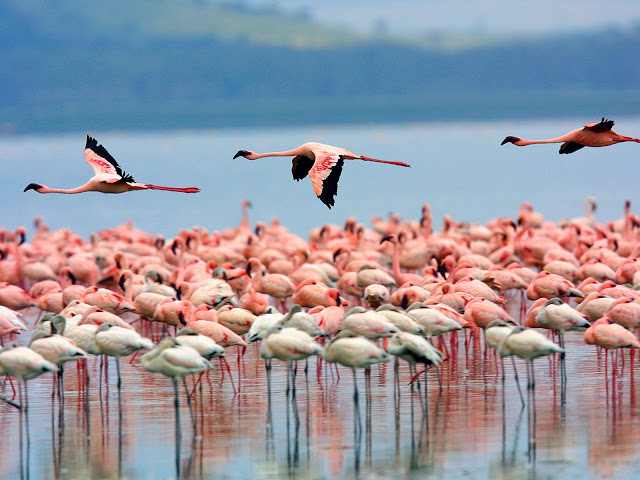
The wet season provides you with the opportunity to see multitudes of migratory or local birds. This makes it the best time to go for birding particularly next to the waterholes.
March and April experience the heaviest rains. Seeing wild animals is a bit more difficult since the rain makes some of the tracks and roads unnavigable. There is also an increased likelihood of contacting malaria during the wet season. Very few tourists come to Serengeti during this season.
Things to do in Serengeti National Park
1. Enjoy a game drive
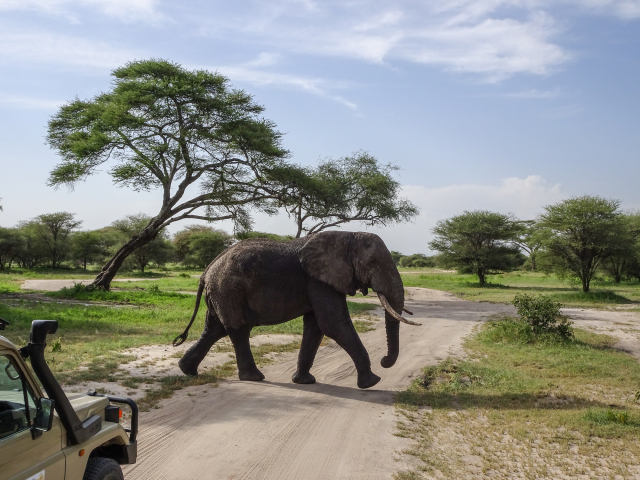
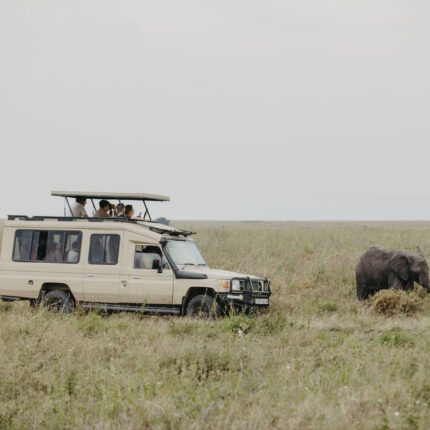
Taking a game drive in Serengeti National Park will definitely be the peak of your trip. Serengeti is popular for its high population of lions and other wild animals in addition to a diverse birdlife which is ideal for birding as well as watching the migrating wildebeest migration. game drives are conducted in the morning or in the evening
2. Stop at the Serengeti Visitor Center
Passing by the Serengeti Visitor Center should be on your itinerary as it is a great spot for a self guided walk. Its self-guided path offers educative signs as well as enlightening displays on the past of Serengeti National Park, its wildlife plus its ecosystem.
3. Enjoy a Maasai Cultural Tour
The Maasai people and the Serengeti ecosystem have co-existed for so many years. The Maasai are semi-nomadic in nature and reside in northern Tanzania and southern Kenya. They are the most popular tribe in the whole of East Africa to tourists since they live inside and next to a number of the well-known game parks. During this safari you will visit a Maasai village and also get a personal encounter with these amazing people
4. Experience a Night Game Drive
Night game drives provide you with the rare chance to see a different group of wildlife, the nocturnal. You will get to spot aardvarks, bush babies, and civets, plus probably a few predators searching for prey or nightjars.
5. Visit the Moru Kopjes
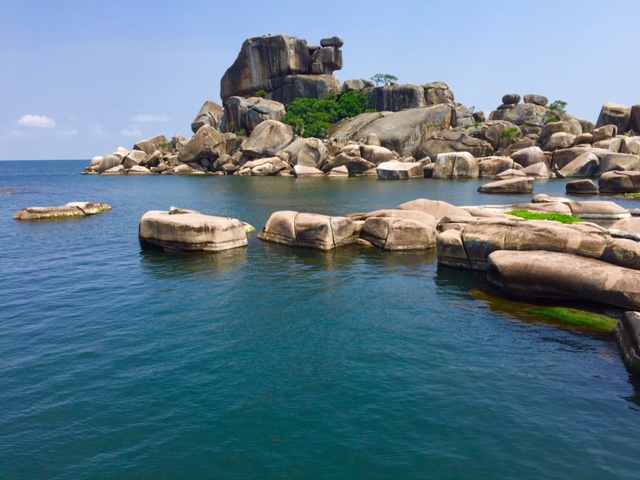
Kopjes are captivating weathered huge rock formations that surface from the Serengeti plains almost like small mountains.
6. Witness the Great Migration
Serengeti National Park is the stage for the Great Migration, one of the Seven Natural Wonders of Africa. The Great Migration involves the movement of about two million wildebeest in addition to hundreds of thousands of gazelle, zebras plus eland.
7. Take a Serengeti Balloon Safari
If you would like a panoramic view of the national park, you could take a trip in a hot air balloon and spend an hour or more enjoying soaring in Serengeti. You can get the opportunity to watch a beautiful sunrise. These trips begin very early at around 5:00am and take a limited number of about 12 to 16 people a day. This Serengeti Balloon Safari rides cost between USD $500 to USD $600.
Where to stay | Accommodation in Serengeti
There are a number of different accommodations available in the Serengeti ranging fromthe luxury, mid-range and budget facilities. Some of the best recommended Serengeti Park Safari Lodges are: Four Seasons Safari Lodge, Melia Serengeti, Grumeti Migration Camp, Serena Kirawira Tented Camp, Mbugani Migration Camp, &Beyond Grumeti Serengeti Tented Camp, Mbalageti Serengeti
- Details
-
Serengeti National Park which is situated in Tanzania is a true paradise for those looking for a Tanzania Safari holiday. It is very vast and extends for about 14,750 square kilometers providing among the greatest wildlife encounters in addition to the typical East African landscape of extensive savanna. Serengeti is a Maasai word that can be translated to mean “endless plains” and the spectacular scene of the Great Migration makes a visit to the park truly exceptional.
Serengeti is derived from the Maasai language, from the word ‘siringet’ that implies ‘a place where the land is endless’. However it is also a land where time is infinite. The ecosystem in Serengeti has hardly evolved from the time early-man set foot there more than two million years ago.
The topography is a blend of grassy areas littered with acacia trees, sparse woodlands plus rich grasslands painting the majestic picture that is Serengeti National Park. The whole ecosystem spreads out for about 30,000 square kilometers running from the north of Tanzania up to south-western Kenya. Serengeti National Park was declared a UNESCO World Heritage Site in addition to being recognized among the Seven Natural Wonders of Africa.
Serengeti National Park is very well-known for the multitudes of wildlife. it inhabits approximately 300 types of mammals that include the maasai giraffes, hippos, waterbucks, warthogs, lions, elephants crocodiles, in addition to the display of the Great Migration that includes nearly 1.6 wildebeests, over 300,000 gazelles and thousands of zebras making it an ideal place for a great Africa Serengeti Safari. Approximately 90,000 tourists visit the national park throughout the year.
History of Serengeti National Park
The ecosystem in Serengeti first got popular in 1892 when the first European explorer named German Oscar Baumann toured the region that was situated in the west of the Ngorongoro crater. Later in 1913, Stewart Edward White a hunter and explorer visited the area. Captivated by the huge numbers of lions in the area, that were deemed a public nuisance as well as a medal, numerous hunters flocked the area and killed them for sport. In the 1920s, the number of lions in Serengeti dropped significantly. It was a normal occurrence for more than 50 lions to be hunted in a safari hunting trip back in the days (an activity that Dumela African does not support). The government which during that period was still under the control of the British colonial rule decided to put their foot down and abolish the killing of lions. From1921 to 1930, numerous laws were put in place to conserve the wildlife in Serengeti. During the year of 1935, the hunting of lions was banned in Seronera and Banagi areas of Serengeti. Eventually, in 1951, Serengeti was declared a national park as well as recognized as a game reserve and protected conservation area.
The Regions of Serengeti National Park
Serengeti National Park is comprised of four major areas as highlighted below;
The Northern Serengeti: This is the most secluded region of Serengeti National Park and it is the ideal spot for tourists to view the well-known Mara River crossings during the Wildebeest Migration next to the border that divides Serengeti National Park and the Masai Mara National Park of Kenya.
The Southern Plains: this region is comprised of open, flat and short grassy plains extending from the southern Seronera up to the Ngorongoro Conservation area. It is the typical scenery that Serengeti is very popular for and wildebeest calving happens here an event that sees about 200,000 wildebeest calves produced every year.
The Western Corridor: It extends west to the banks of Lake Victoria and it pursues the route of the Grumeti River, which is the location of the first dangerous river crossing that occurs during the Wildebeest Migration.
The Central Seronera Valley: It is a system of river valleys that have abundant luxuriant pasture which gathers huge populations of wildlife in the area.
Wildlife in Serengeti National Park
Serengeti National Park has the biggest population of predators in the whole continent. The wildlife conserved in this national park comprise of the Big Five; elephants, buffaloes, leopards, rhinos as well as lions. There are about 3,000 to 4,000 lions that reside in this park in addition to large concentrations of cheetahs, jackals plus spotted hyenas. But Serengeti National Park inhabits more than just predators and the Big Five in spite of them being the reason the park is very popular. While you are visiting the park, you will also come across mongoose, monitor lizards, colobus monkeys, elephants, agama lizards, baboons, huge Nile
crocodiles, bat-eared foxes, giraffes, more than 500 bird species such as eagles and ostriches, rock hyraxes plus hippos that spend most of their time in the muddy waters of River Mara and Grumeti.
The Serengeti Wildebeest Migration
The Great Migration is the most important event that attracts multitudes of tourists from all over the world to witness the unique occurrence of the biggest land migration. A Serengeti Wildebeest Migration Safari will give you an opportunity to see some of the animals that take part in this remarkable movement. It is comprised of approximately two (2) million wildebeests, two hundred thousand (200,000) zebras as well as multitudes of other types of antelopes like gazelles (about 300,000). The migration takes place every year in an uninterrupted loop which the animals follow while they look for pasture which is offered by the rain. Experiencing this exceptional event is very unique and will forever be etched in your mind. Although the precise route, as well as the timing of the great migration, is always changing depending on the weather, it is guaranteed to consistently happen in the Serengeti plains of Kenya plus Tanzania, in Ngorongoro Conservation Area, Serengeti National Park as well as the Maasai Mara National Park.
What is the best time to go to Serengeti National Park?
The diversity of wildlife, as well as the vast nature of the area, implies that Serengeti National Park can be visited at any time throughout the year and you will have a perfect safari. If you have something specific that you would like to observe, different seasons and regions may be more ideal than others.
You should not forget that you will be observing a natural event therefore the
animals and the weather can be somewhat unpredictable. The park generally experiences two seasons; the wet and dry season.
Dry season (May until October)
The most ideal time to visit the wild animals is the dry period. The months of July through October are the highlight for most tourists therefore you are advised to make a reservation if you would like to visit during this time.
The most ideal time to get the opportunity to observe the river crossings is during June and July at Gruneti River and for Mara River, the best months are August to October.
The months of June and July are also ideal for seeing the wild animals in the Western Corridor. If you are visiting in August and September, the wildlife can better be seen in the Northern Serengeti region. The grass is low and it is easier to see the wildlife. The dry season is also great because most of the wildlife gathers around the rivers or waterholes to quench their thirst.
There are hardly any mosquitoes during the dry season therefore you can travel with your children since the likelihood of getting malaria is lower.
Even though it is hot during this season, the temperatures can be intense especially late in the nights and early in the morning. It can be very hot during the afternoon hours. Please make sure to carry suitable clothing for both extremes as well as sunscreen and hats.
Wet Season (November until May)
The precipitation from November until March is usually infrequent and mostly takes place for a short while in the evening and probably will not have much impact on your activities for the day.
During January and February the Southern Plains will be rich with color as the beautiful wildflowers and the luxuriant pasture turns the scenery into a peaceful and quiet grazing area.
February is the recommended time to visit if you would like to see the animals give birth as it is birthing season. The newborn wildebeest are also a favorite for predators therefore you may be able to see the lions hunt.
The wet season provides you with the opportunity to see multitudes of migratory or local birds. This makes it the best time to go for birding particularly next to the waterholes.
March and April experience the heaviest rains. Seeing wild animals is a bit more difficult since the rain makes some of the tracks and roads unnavigable. There is also an increased likelihood of contacting malaria during the wet season. Very few tourists come to Serengeti during this season.
- Attractions
-
Things to do in Serengeti National Park
1. Enjoy a game drive
Taking a game drive in Serengeti National Park will definitely be the peak of your trip. Serengeti is popular for its high population of lions and other wild animals in addition to a diverse birdlife which is ideal for birding as well as watching the migrating wildebeest migration. game drives are conducted in the morning or in the evening
2. Stop at the Serengeti Visitor Center
Passing by the Serengeti Visitor Center should be on your itinerary as it is a great spot for a self guided walk. Its self-guided path offers educative signs as well as enlightening displays on the past of Serengeti National Park, its wildlife plus its ecosystem.
3. Enjoy a Maasai Cultural Tour
The Maasai people and the Serengeti ecosystem have co-existed for so many years. The Maasai are semi-nomadic in nature and reside in northern Tanzania and southern Kenya. They are the most popular tribe in the whole of East Africa to tourists since they live inside and next to a number of the well-known game parks. During this safari you will visit a Maasai village and also get a personal encounter with these amazing people
4. Experience a Night Game Drive
Night game drives provide you with the rare chance to see a different group of wildlife, the nocturnal. You will get to spot aardvarks, bush babies, and civets, plus probably a few predators searching for prey or nightjars.
5. Visit the Moru Kopjes
Kopjes are captivating weathered huge rock formations that surface from the Serengeti plains almost like small mountains.
6. Witness the Great Migration
Serengeti National Park is the stage for the Great Migration, one of the Seven Natural Wonders of Africa. The Great Migration involves the movement of about two million wildebeest in addition to hundreds of thousands of gazelle, zebras plus eland.
7. Take a Serengeti Balloon Safari
If you would like a panoramic view of the national park, you could take a trip in a hot air balloon and spend an hour or more enjoying soaring in Serengeti. You can get the opportunity to watch a beautiful sunrise. These trips begin very early at around 5:00am and take a limited number of about 12 to 16 people a day. This Serengeti Balloon Safari rides cost between USD $500 to USD $600.
- Where to Stay
-
Where to stay | Accommodation in Serengeti
There are a number of different accommodations available in the Serengeti ranging fromthe luxury, mid-range and budget facilities. Some of the best recommended Serengeti Park Safari Lodges are: Four Seasons Safari Lodge, Melia Serengeti, Grumeti Migration Camp, Serena Kirawira Tented Camp, Mbugani Migration Camp, &Beyond Grumeti Serengeti Tented Camp, Mbalageti Serengeti
Book a Tour
Tanzania Safari Tours
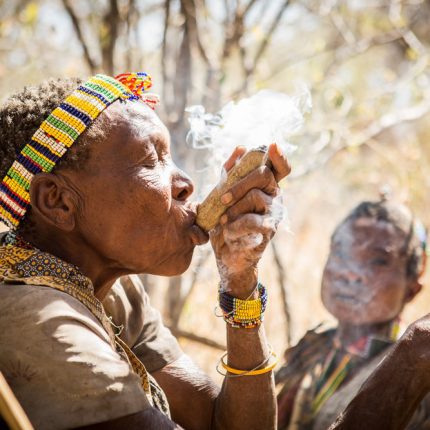
You will visit Tarangire, Serengeti, Ngoro-Ngoro and Lake Manyara
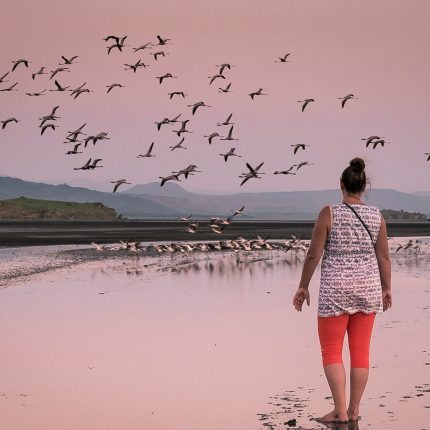
You will visit Tarangire, Serengeti, Ngoro-Ngoro and Lake Manyara

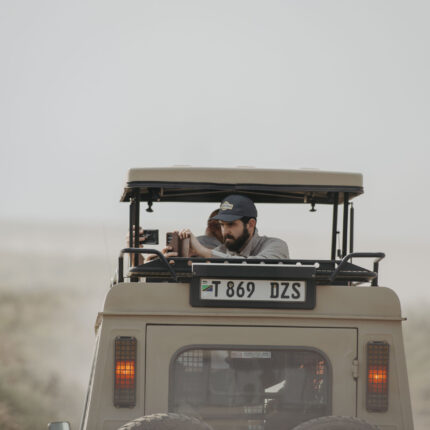
You will visit Tarangire, Ngoro-Ngoro and Serengeti National Park
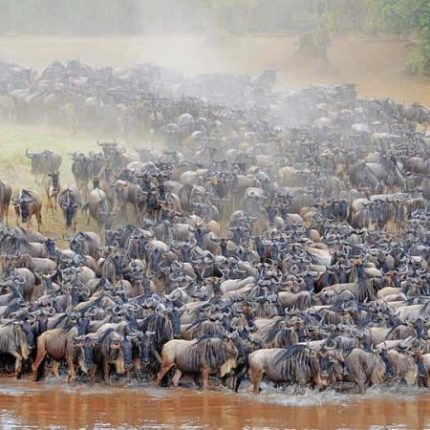
You will visit Ngoro-Ngoro and Serengeti National Park
You will visit Tarangire National Park and Ngoro-Ngoro Conservation Area
You will visit Mikumi National Park, and Dar-Es-Salaam
You will visit Selous Game Reserve and Dar-es-Salaam