The Ngorongoro Conservation Area found in the Northern part of Tanzania and extends to the west to the Serengeti National park and while to the east to the Great Rift Valley escarpment covers an area of 8,300 square kilometres. The Ngorongoro Conservation Area Authority governs this area unlike other Tanzania’s national parks that are controlled by TANAPA Authority. The authority in this conservation area permits the locals like Maasai to reside within this area but with some limitations. As a result of having a unique and remarkable ecological system, In 1979 this conservation area was declared by UNESCO as a World Heritage site.
Some of the places of interest within the Ngorongoro Conservation Area include the two crater lakes: Empakai and Olmoti found in the highlands in the East, the popular Ngorongoro crater, Olduvai Gorge a place where remains of hominids believed to have lived in this areas millions of years ago were discovered; the Ngorongoro’s Northern plains that are among Africa’s best sites for seeing the Big Five and also host the Great Wildebeest Migration every year.
What activities to do in the Ngorongoro Area?
• Photography tours
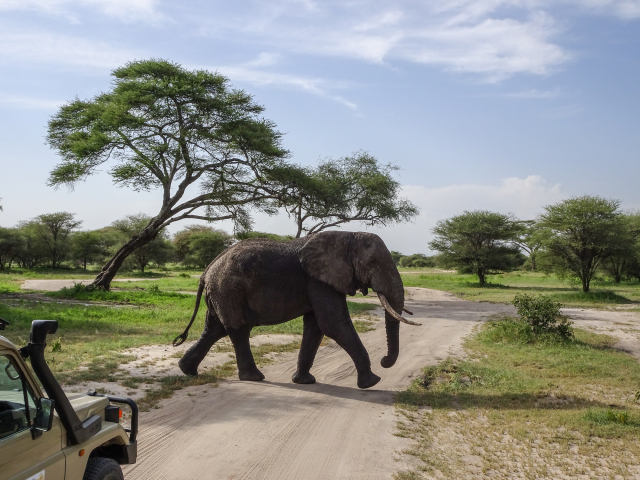
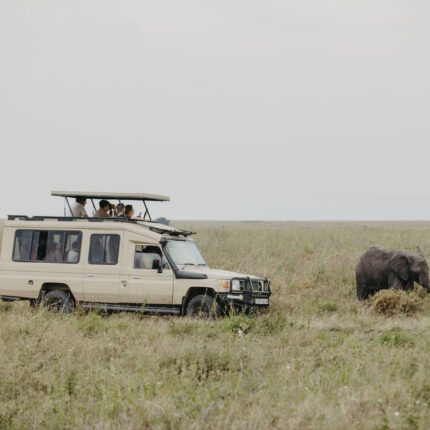
• Game drives
• Walking tours
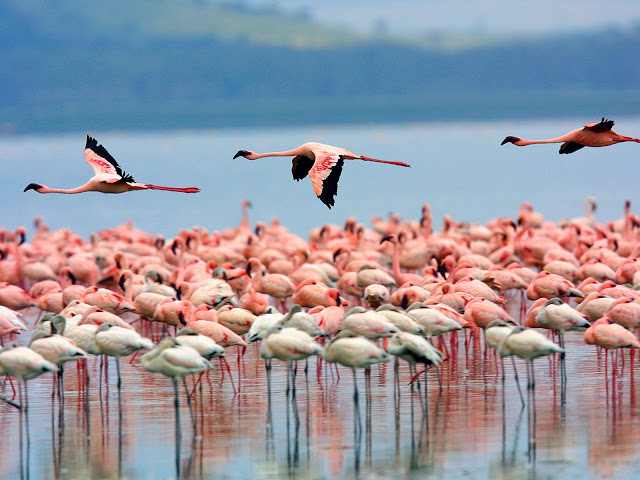
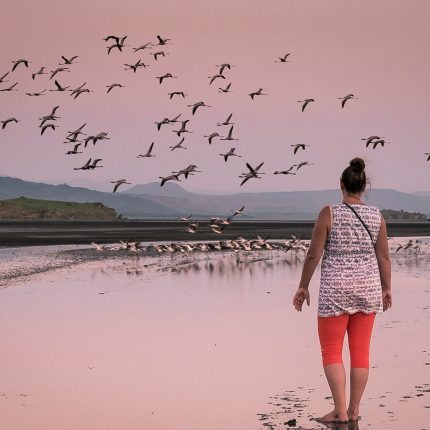
• Bird and Flamingo watching: Flamingos are a frequent seen around the salty lakes found in Ngorongoro Conservation Center
• Archaeological safaris
• Visits to the Maasai Villages
How to get to the Ngorongoro Conservation area?
You can get to this area by taking a domestic flight or by road transportation.
What is the best time to visit the Ngorongoro conservation area?
When we talk about visiting the Ngorongoro Conservation Area, we can better understand this looking at two major climatic season that the area experiences. Considering the fact that this area can be visited all year round, when to visit will surely depend on what activities you want to engage in.
The Dry Season (May to October)
The arid/ dry season is a jewel on its own. It is the perfect time in Africa for a game drive or wildlife Safari in Tanzania as wildlife is usually gathered around the few remaining sources of water in large numbers. This is the best time inside of the crater for game viewing. You should however also note that the short grasslands in this season have no wildlife totally. It is an excellent time during the year to tour Ndutu and Empakaai that have a resident population of animals that stays close to the lake throughout the whole year.
The rainy season (November to April)
The heavy rains are experienced from the months of February to April and its considered the off-peak tourist season while the short light rains come in November and December. Although it is raining at this time, the wet season is a fascinating season of the year because this is when the animals in the Great Wildebeest Migration come together to give birth in the low grasslands. The perfect time to enjoy a Tanzania Wildebeest Migration Safari on these plains is at the end of February and the beginning of March. This at the same time lures the predators in big numbers leading to incredible prey and predator interaction. Do not forget that the Ngorongoro Conservation Area also encompasses part of Serengeti plains.
Attractions in the Ngorongoro Conservation Area
Below are the main places of interest in the Ngorongoro Conservation Area.
1. The Ngorongoro Crater
This crater is the largest intact (unbroken) as well as un-flooded caldera in the whole world and was formed as a result of an enormous volcano crumbling approximately 2.6 million years back. This volcano is the world’s biggest inactive volcano with a 600 meter depth and 19 kilometer diameter; it is also the most toured site within this conservation area. The climatic condition in this crater creates a suitable thriving environment for many types of flora and fauna, making it a true paradise to enjoy a Wildlife Safari in Tanzania. The crater’s floor is characterized by a saline lake, small swampy regions, the savannah plus a few yellow acacia forests, which serve as varied habitats to the thousands of animals that live in there.
Wildlife in the Ngorongoro Crater
On your holiday in Tanzania, you would not want to miss out on an opportunity to spend a whole day in this crater its floor. The only setback is the traffic jam especially in the early morning causes by the large number of safari vehicles on the two main roads that go into the crater.
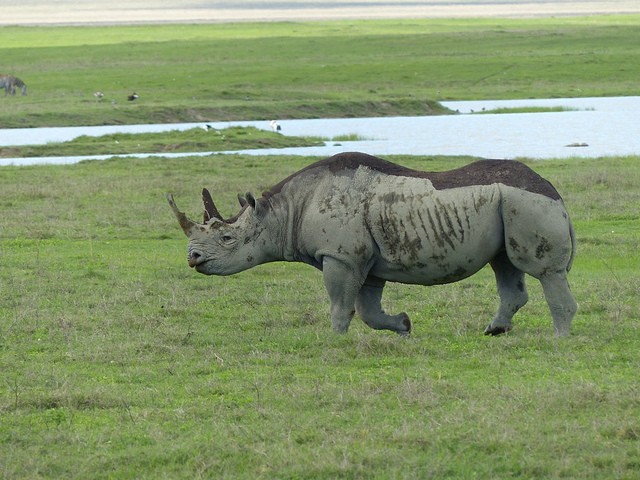
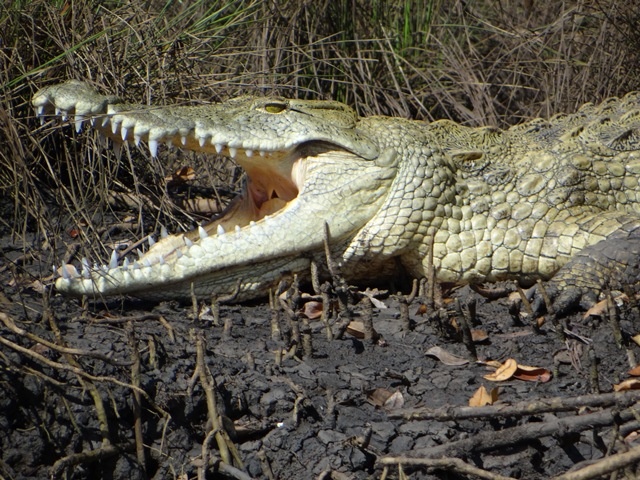
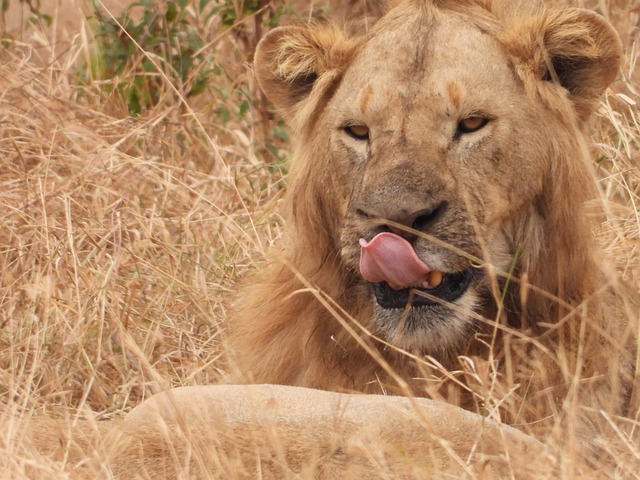
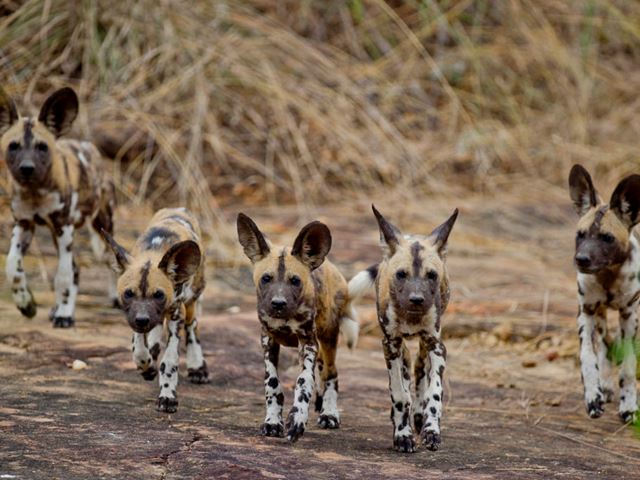
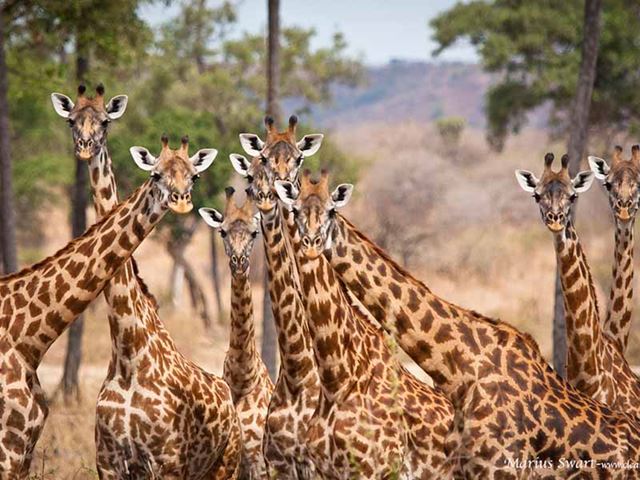
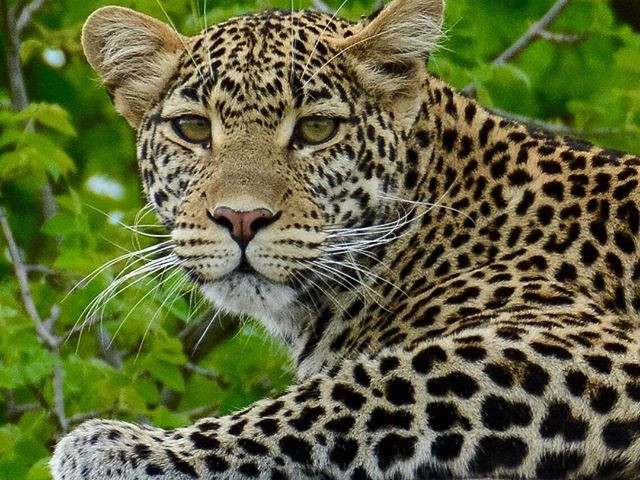
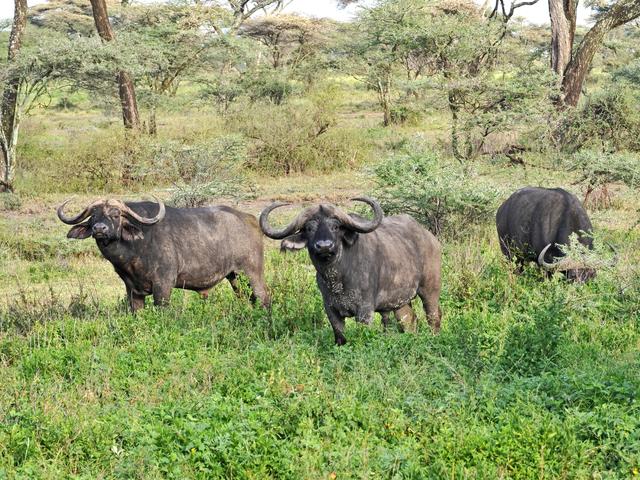
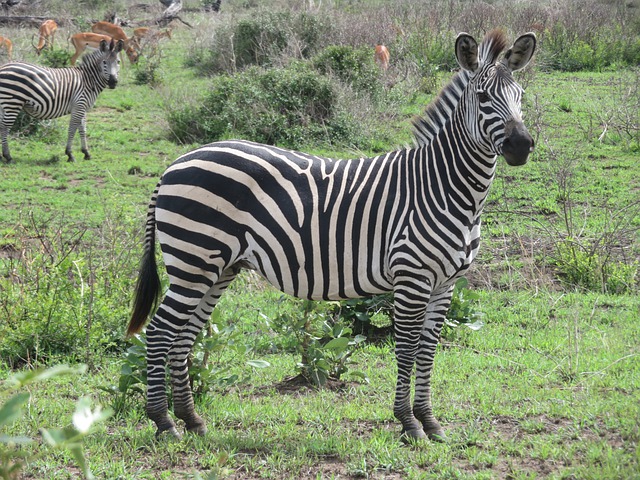
with mainly the ungulates, The crater is a home to around 25,000 huge animals and these include: cape or African buffaloes, black rhinoceros (whose population in the area dropped between eleven and fourteen by 1995 from 108 in the year 1964), the hippopotamus and several different ungulates such as 4,000 grant zebras, 7,000 blue wildebeests, around 3,000 Thomson’s and Grant’s gazelles, the ordinary elands, waterbucks. However, animal species like the oribis, topis, impalas, giraffes, crocodiles, the East African wild dog, the African leopard and the Tanzanian cheetah hardly spotted around here.
2. The Olduvai Gorge
Also known as “The Cradle of Humankind”, this place possesses the most significant archeological sites in the whole world and among the very significant anthropological areas internationally. It is the site where hominids remains of different generations have been discovered and this has assisted paleontologists to prescript a portion of mankind’s history. The search for proof of early man began as early as the 1950s when Mary and Louis Leakey started their research. In the year 1974, a skeleton belonging to ‘Lucy’ was found well preserved and from then onwards has been dubbed as the most ancient discovery of mankind.
3. The Northern Highlands
Head North to get to the Northern plains where you will also be stunned by the amazing feature in this part o the conservation area.
The yearly Wildebeest migration
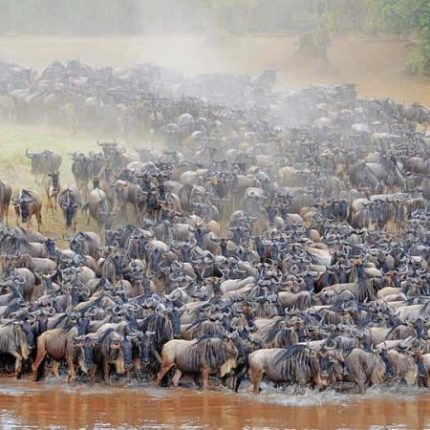
The northern part of this conservation area hosts the wildebeest migrating herd every year and it’s a good place to enjoy a Wildebeest Migration Safari. This spectacular event entails packs of zebras and wildebeests gathering on an annual basis from December all the way to March to eat the highly nutritious grass that grows on fertile volcanic soils and also produce young ones who will start their life journey the moment they stop depending on their parents, a path that will take them all the way to Maasai Mara National Reserve in Kenya by passing through the northern Serengeti National Park.
4. The Eastern Highlands
The Eastern highlands are situated on the Eastern side of Ngorongoro Crater. This area is usually unnoticed by tourists even though the islands are a true gem that is surely worth seeing. You can follow the Lemala route that leads to a secluded place where you will be able to enjoy a Tanzania Culture Safari as you visit the Maasai villages, and also appreciate the views of the extinct volcano craters.
Olmoti crater
Compared to the Ngorongoro, the Olmoti crater is pretty smaller although it is as captivating as Ngorongoro with its floor being a sanctuary to a wide range of animals and its escarpments are enveloped with forests. You can get to the crater’s rim by taking the Old Maasai route and from there head to the crater floor for a rewarding view of the wildlife.
Empakaai Crater
As you move along the main road, you will come across the Empakaai crater which is small in size as compared to Ngorongoro crater although it possesses a real treasure, a saline lake that encompasses about a half of this crater’s bottom area.
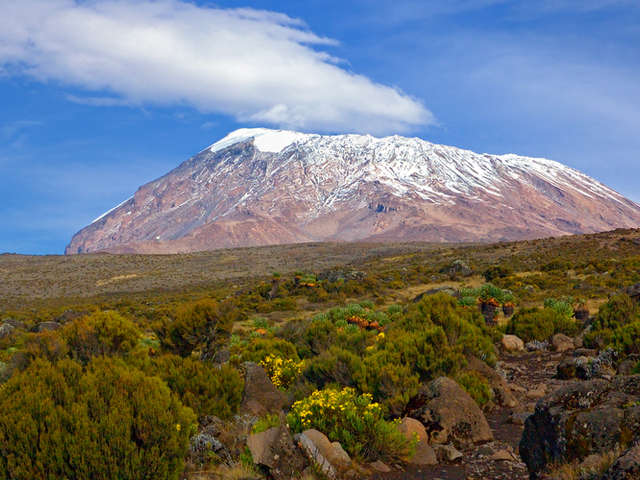
A hiking tour provides you the chance to get to the crater’s rim where you will be able to appreciate the breathtaking scenery of the crater’s floor, the dynamic Ol Doinyo Lengai volcano, the Maasai’s sacred mountain that is nearby, Lake Natron and even Mount Kilimanjaro on a fine day. A short trek from the rim of the crater will get you to the floor.
5. The Southern Highlands
Although it is very uncommon to be added on the Tanzania Safari itineraries in this area, the Southern Highlands too are a site of incredible views. From here, you can ascend Mountain Lemagarut that is 3,174 meters high and in order to do this you need to be well informed and skilled properly. The amazing scenery on top will be the reward for your efforts with a panorama ranging from the infinite plains of the Ngorongoro crater and Lake Eyasi to the Serengeti National park.
Maasai Cultural tours and Walking safaris
You could head out for a safari hike with a skilled well equipped ranger and meet young Maasai boys cattle grazing while the adult women pick up wild roots and herbs. These tours continue all the way to the Western Great Rift Valley slope edges where you will be able to appreciate the breathtaking scenery of Lake Eyasi, the Hadzabe as well as the Datoga plain lands.
6. Laetoli
Laetoli is also another area close by where hominids’ footprints that go 3 million years back have been discovered. An additional remarkable discovery, although the footprints are invisible as a result of having been veiled to safe guard them from corrosion and climatic agents.
Where to stay | Accommodation?
There are a number of accommodation facilities available for holidaymakers who visit the conservation area and these include established lodges and campsites. These are situated within and outside the Ngorongoro Conservation Area. It should be noted that it is illegal to camp in the crater’s interior.
A few of the lodges include:
• Ngorongoro Rhino Lodge
• The Octagon Safari Lodge
• Ngorongoro Sopa Lodge
• Acacia Farm Lodge
• Ganako Luxury Lodge
• Ngorongoro Serena Safari Lodge
• Ndutu Safari Lodge
• Ngorongoro Wildlife Lodge
• Bougainvillea Safari Lodge
• Ngorongoro Crater Lodge
• E Unoto Retreat
• Ngorongoro Farm House
- Details
-
The Ngorongoro Conservation Area found in the Northern part of Tanzania and extends to the west to the Serengeti National park and while to the east to the Great Rift Valley escarpment covers an area of 8,300 square kilometres. The Ngorongoro Conservation Area Authority governs this area unlike other Tanzania’s national parks that are controlled by TANAPA Authority. The authority in this conservation area permits the locals like Maasai to reside within this area but with some limitations. As a result of having a unique and remarkable ecological system, In 1979 this conservation area was declared by UNESCO as a World Heritage site.
Some of the places of interest within the Ngorongoro Conservation Area include the two crater lakes: Empakai and Olmoti found in the highlands in the East, the popular Ngorongoro crater, Olduvai Gorge a place where remains of hominids believed to have lived in this areas millions of years ago were discovered; the Ngorongoro’s Northern plains that are among Africa’s best sites for seeing the Big Five and also host the Great Wildebeest Migration every year.
What activities to do in the Ngorongoro Area?
• Photography tours
• Game drives
• Walking tours
• Bird and Flamingo watching: Flamingos are a frequent seen around the salty lakes found in Ngorongoro Conservation Center
• Archaeological safaris
• Visits to the Maasai Villages
How to get to the Ngorongoro Conservation area?
You can get to this area by taking a domestic flight or by road transportation.
What is the best time to visit the Ngorongoro conservation area?
When we talk about visiting the Ngorongoro Conservation Area, we can better understand this looking at two major climatic season that the area experiences. Considering the fact that this area can be visited all year round, when to visit will surely depend on what activities you want to engage in.
The Dry Season (May to October)
The arid/ dry season is a jewel on its own. It is the perfect time in Africa for a game drive or wildlife Safari in Tanzania as wildlife is usually gathered around the few remaining sources of water in large numbers. This is the best time inside of the crater for game viewing. You should however also note that the short grasslands in this season have no wildlife totally. It is an excellent time during the year to tour Ndutu and Empakaai that have a resident population of animals that stays close to the lake throughout the whole year.
The rainy season (November to April)
The heavy rains are experienced from the months of February to April and its considered the off-peak tourist season while the short light rains come in November and December. Although it is raining at this time, the wet season is a fascinating season of the year because this is when the animals in the Great Wildebeest Migration come together to give birth in the low grasslands. The perfect time to enjoy a Tanzania Wildebeest Migration Safari on these plains is at the end of February and the beginning of March. This at the same time lures the predators in big numbers leading to incredible prey and predator interaction. Do not forget that the Ngorongoro Conservation Area also encompasses part of Serengeti plains.
- Attractions
-
Attractions in the Ngorongoro Conservation Area
Below are the main places of interest in the Ngorongoro Conservation Area.
1. The Ngorongoro Crater
This crater is the largest intact (unbroken) as well as un-flooded caldera in the whole world and was formed as a result of an enormous volcano crumbling approximately 2.6 million years back. This volcano is the world’s biggest inactive volcano with a 600 meter depth and 19 kilometer diameter; it is also the most toured site within this conservation area. The climatic condition in this crater creates a suitable thriving environment for many types of flora and fauna, making it a true paradise to enjoy a Wildlife Safari in Tanzania. The crater’s floor is characterized by a saline lake, small swampy regions, the savannah plus a few yellow acacia forests, which serve as varied habitats to the thousands of animals that live in there.
Wildlife in the Ngorongoro Crater
On your holiday in Tanzania, you would not want to miss out on an opportunity to spend a whole day in this crater its floor. The only setback is the traffic jam especially in the early morning causes by the large number of safari vehicles on the two main roads that go into the crater.
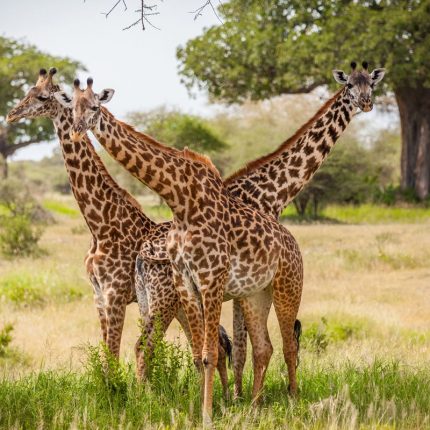
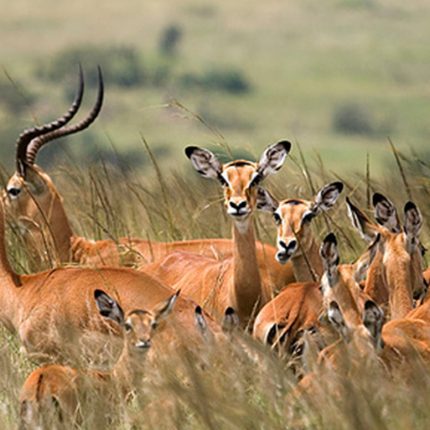
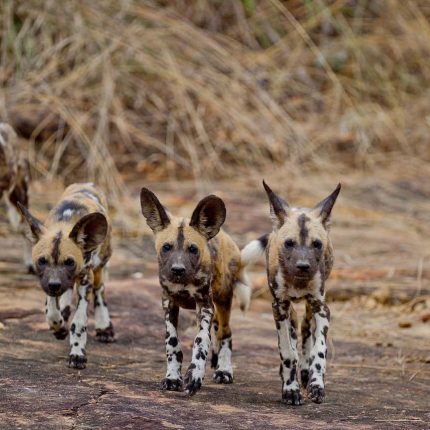
with mainly the ungulates, The crater is a home to around 25,000 huge animals and these include: cape or African buffaloes, black rhinoceros (whose population in the area dropped between eleven and fourteen by 1995 from 108 in the year 1964), the hippopotamus and several different ungulates such as 4,000 grant zebras, 7,000 blue wildebeests, around 3,000 Thomson’s and Grant’s gazelles, the ordinary elands, waterbucks. However, animal species like the oribis, topis, impalas, giraffes, crocodiles, the East African wild dog, the African leopard and the Tanzanian cheetah hardly spotted around here.
2. The Olduvai Gorge
Also known as “The Cradle of Humankind”, this place possesses the most significant archeological sites in the whole world and among the very significant anthropological areas internationally. It is the site where hominids remains of different generations have been discovered and this has assisted paleontologists to prescript a portion of mankind’s history. The search for proof of early man began as early as the 1950s when Mary and Louis Leakey started their research. In the year 1974, a skeleton belonging to ‘Lucy’ was found well preserved and from then onwards has been dubbed as the most ancient discovery of mankind.
3. The Northern Highlands
Head North to get to the Northern plains where you will also be stunned by the amazing feature in this part o the conservation area.
The yearly Wildebeest migration
The northern part of this conservation area hosts the wildebeest migrating herd every year and it’s a good place to enjoy a Wildebeest Migration Safari. This spectacular event entails packs of zebras and wildebeests gathering on an annual basis from December all the way to March to eat the highly nutritious grass that grows on fertile volcanic soils and also produce young ones who will start their life journey the moment they stop depending on their parents, a path that will take them all the way to Maasai Mara National Reserve in Kenya by passing through the northern Serengeti National Park.
4. The Eastern Highlands
The Eastern highlands are situated on the Eastern side of Ngorongoro Crater. This area is usually unnoticed by tourists even though the islands are a true gem that is surely worth seeing. You can follow the Lemala route that leads to a secluded place where you will be able to enjoy a Tanzania Culture Safari as you visit the Maasai villages, and also appreciate the views of the extinct volcano craters.
Olmoti crater
Compared to the Ngorongoro, the Olmoti crater is pretty smaller although it is as captivating as Ngorongoro with its floor being a sanctuary to a wide range of animals and its escarpments are enveloped with forests. You can get to the crater’s rim by taking the Old Maasai route and from there head to the crater floor for a rewarding view of the wildlife.
Empakaai Crater
As you move along the main road, you will come across the Empakaai crater which is small in size as compared to Ngorongoro crater although it possesses a real treasure, a saline lake that encompasses about a half of this crater’s bottom area.
A hiking tour provides you the chance to get to the crater’s rim where you will be able to appreciate the breathtaking scenery of the crater’s floor, the dynamic Ol Doinyo Lengai volcano, the Maasai’s sacred mountain that is nearby, Lake Natron and even Mount Kilimanjaro on a fine day. A short trek from the rim of the crater will get you to the floor.
5. The Southern Highlands
Although it is very uncommon to be added on the Tanzania Safari itineraries in this area, the Southern Highlands too are a site of incredible views. From here, you can ascend Mountain Lemagarut that is 3,174 meters high and in order to do this you need to be well informed and skilled properly. The amazing scenery on top will be the reward for your efforts with a panorama ranging from the infinite plains of the Ngorongoro crater and Lake Eyasi to the Serengeti National park.
Maasai Cultural tours and Walking safaris
You could head out for a safari hike with a skilled well equipped ranger and meet young Maasai boys cattle grazing while the adult women pick up wild roots and herbs. These tours continue all the way to the Western Great Rift Valley slope edges where you will be able to appreciate the breathtaking scenery of Lake Eyasi, the Hadzabe as well as the Datoga plain lands.
6. Laetoli
Laetoli is also another area close by where hominids’ footprints that go 3 million years back have been discovered. An additional remarkable discovery, although the footprints are invisible as a result of having been veiled to safe guard them from corrosion and climatic agents.
- Where to Stay
-
Where to stay | Accommodation?
There are a number of accommodation facilities available for holidaymakers who visit the conservation area and these include established lodges and campsites. These are situated within and outside the Ngorongoro Conservation Area. It should be noted that it is illegal to camp in the crater’s interior.
A few of the lodges include:
• Ngorongoro Rhino Lodge
• The Octagon Safari Lodge
• Ngorongoro Sopa Lodge
• Acacia Farm Lodge
• Ganako Luxury Lodge
• Ngorongoro Serena Safari Lodge
• Ndutu Safari Lodge
• Ngorongoro Wildlife Lodge
• Bougainvillea Safari Lodge
• Ngorongoro Crater Lodge
• E Unoto Retreat
• Ngorongoro Farm House
Book a Tour
Tanzania Safaris
You will visit Tarangire, Serengeti, Ngoro-Ngoro and Lake Manyara
You will visit Tarangire, Serengeti, Ngoro-Ngoro and Lake Manyara

You will visit Tarangire, Ngoro-Ngoro and Serengeti National Park
You will visit Ngoro-Ngoro and Serengeti National Park
You will visit Tarangire National Park and Ngoro-Ngoro Conservation Area
You will visit Mikumi National Park, and Dar-Es-Salaam
You will visit Selous Game Reserve and Dar-es-Salaam